Why Ranking #1 No Longer Guarantees Visibility in AI Search
Ranking first no longer guarantees visibility when AI answers sit above organic results. Here is how to spot the leak and diagnose which pages rank but go uncited.
The problem wasn’t the ranking. It was everything happening above it. For most of search history, ranking #1 and being seen were the same thing. That equivalence is breaking, and the gap it leaves behind shows up in dashboards exactly like his: impressions climbing while clicks quietly flatten or fall. Let me explain what’s actually happening — and why the fix starts with looking under the hood, not working harder on rank.
The equation that just broke
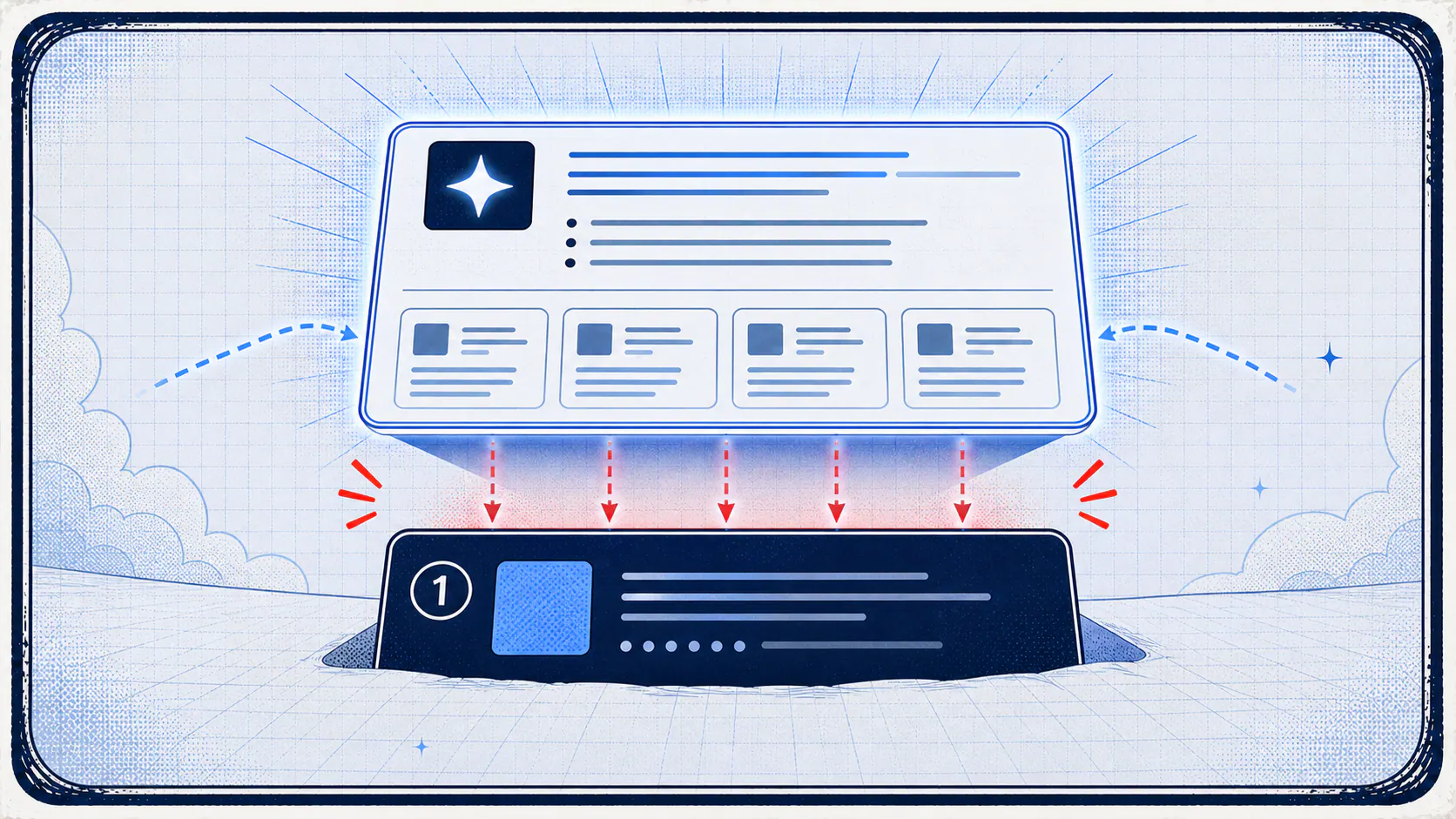
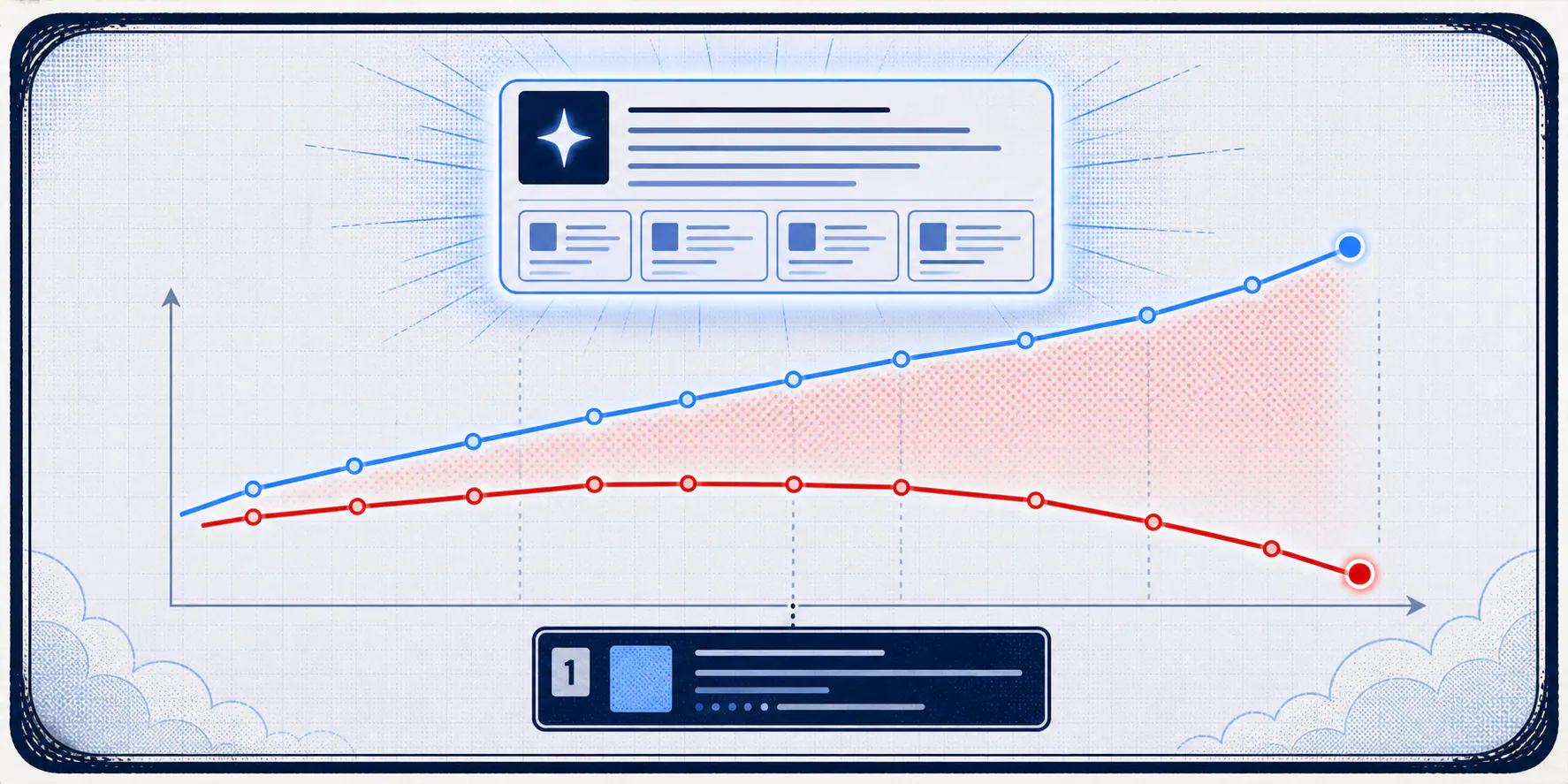
For twenty years, one equation held: rank high, get seen, get clicks. It was so reliable we stopped noticing it was an assumption at all. Then AI Overviews and AI Mode started inserting a synthesized answer above your results. The searcher reads that answer, gets what they need, and often never scrolls to the blue links underneath — including yours, sitting proudly at number one.
Your ranking is completely intact. The click just never happens. That’s the uncomfortable shift: the top of the results page is no longer the top of the page. Something now sits above it, and that something increasingly satisfies the search on its own. Ranking #1 didn’t get less impressive; it got less visible.
What it looks like in your own data
Here’s the tell, and it’s worth pulling up your own Search Console to check. On queries that now trigger an AI answer, you’ll often see impressions holding steady or even rising — you’re still being shown — while your click-through rate slides. Seer Interactive measured that slide directly: organic CTR on AI Overview queries fell from roughly 1.76% to 0.61%. That’s not a rounding error; it’s most of your clicks.
The reason this is dangerous rather than merely annoying is that your rankings report still looks healthy. Every position is where it should be. So teams conclude everything’s fine and keep optimizing for a scoreboard that has quietly stopped paying out. The leak is real, but the dashboard most people watch doesn’t show it.
“Your ranking report can look perfect while your traffic quietly leaves. Position one isn’t a finish line anymore — it’s a starting spot that may never pay out.”
Position without citation is the new invisible
So what does still capture attention? Being named inside the answer. When an AI response cites your brand, you’re in front of the buyer; when it doesn’t, ranking beneath it barely registers. The data backs this up — Search Engine Land reported that pages cited inside AI Overviews earn meaningfully more clicks than the competitors ranking near them who aren’t cited.
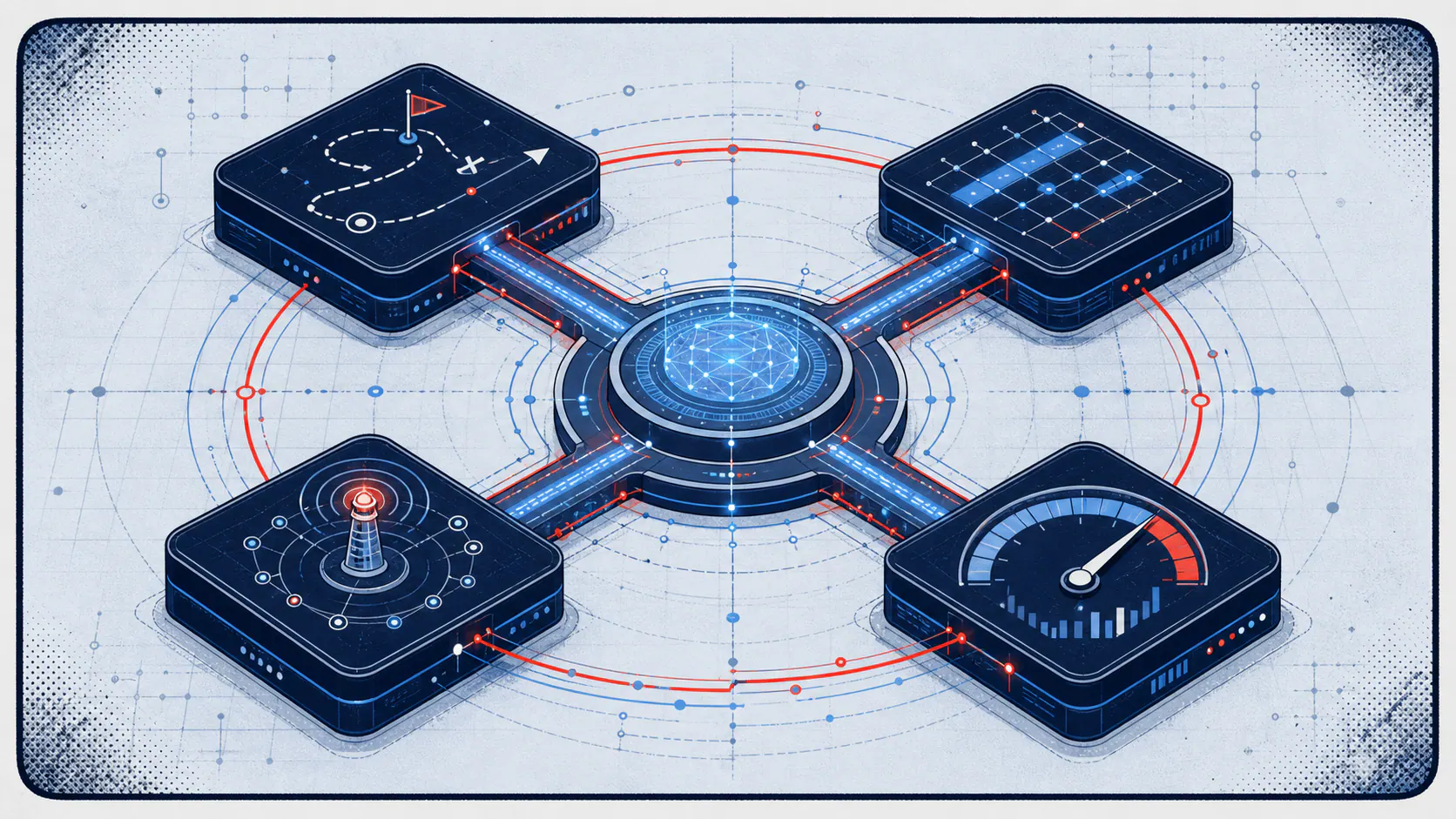
That reframes the goal. The question is no longer only “do I rank for this?” but “am I cited for this?” Earning that citation is the work of Generative Engine Optimization and the extractable structure of Answer Engine Optimization — disciplines aimed squarely at being named, not just ranked. If you want the hard numbers behind the decoupling, our piece on the citation cliff lays them out.
Why you can’t fix this by working harder on rankings
The instinct, when traffic dips, is to push on rankings — build more links, chase a few more positions. But that’s treating the wrong patient. The problem isn’t that you rank #3 instead of #1; it’s that #1 itself no longer delivers what it used to. Moving up a scoreboard that’s decoupled from visibility just burns budget faster.
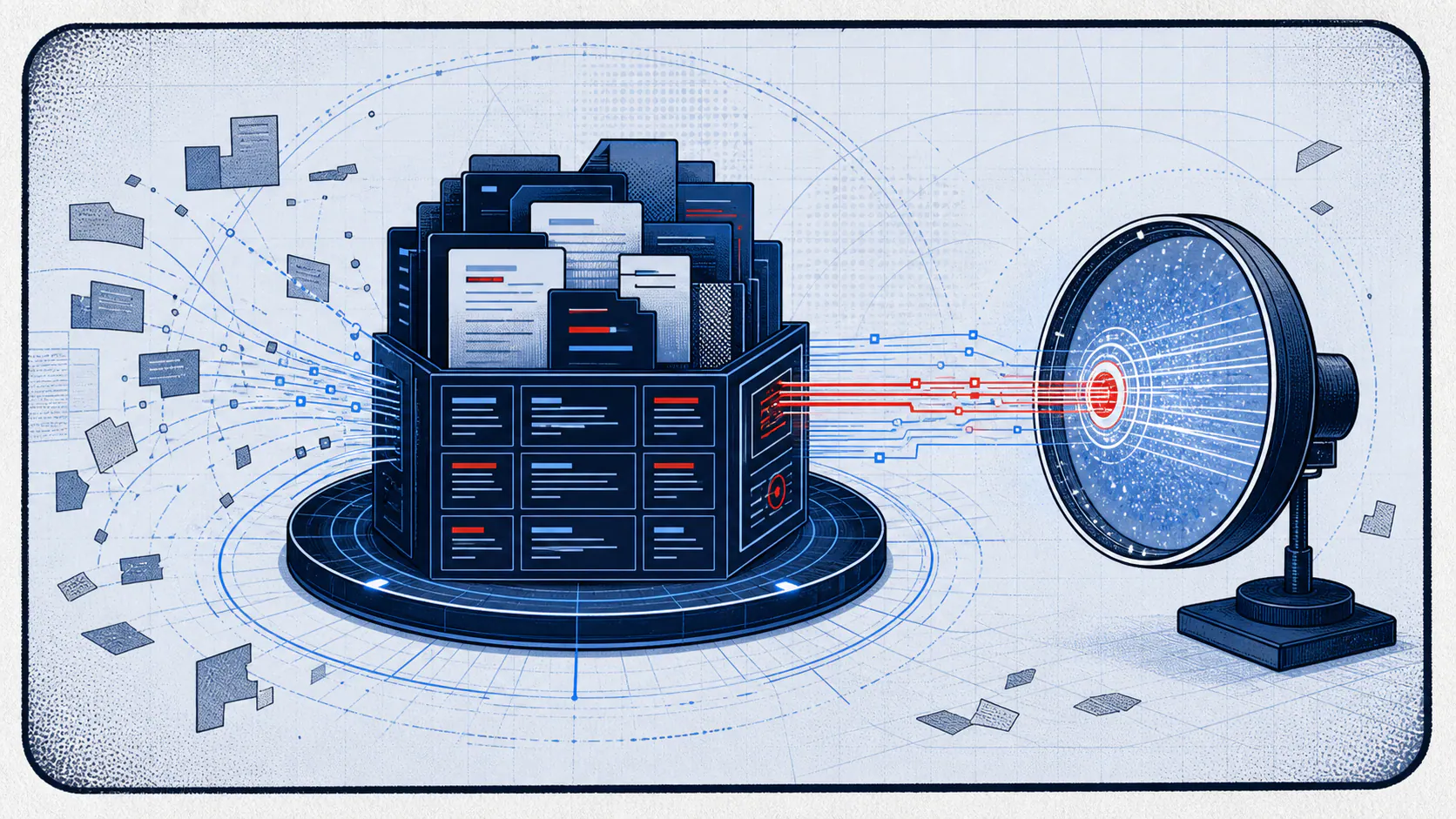
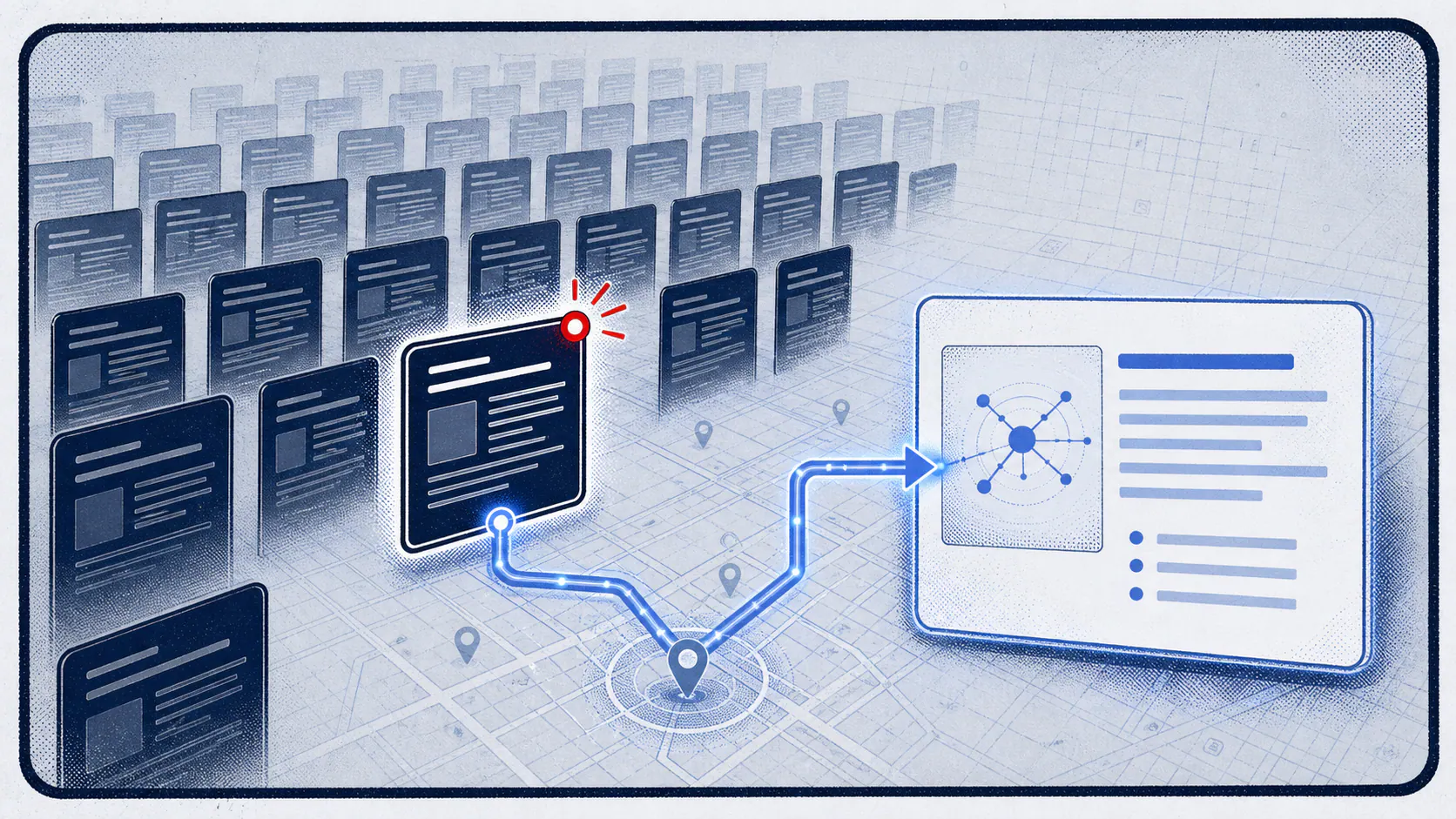
The right response is diagnostic. Before you spend another dollar, you need to know which of your pages rank well but go uncited, where the AI surfaces are absorbing your traffic, and what’s making the engines skip you. That’s not a ranking exercise — it’s an audit.
Our AI Visibility Report shows exactly which pages are indexed and your site’s exact authority metrics.
What a readiness audit actually tells you
This is where I’d point the COO from the start of this article, and where I’ll point you: an AI Readiness Audit replaces the guesswork with a map. It examines which of your ranking pages are being cited and which aren’t, where your entity and structure signals are letting you down, and which high-value pages are leaking the most visibility to AI answers. You come out knowing exactly where the gap is and which pages to fix first.
We’ve run this diagnosis for brands across our core verticals, and the pattern is remarkably consistent — strong rankings, healthy-looking reports, and a citation footprint full of holes nobody had measured. You can see how that plays out in our case studies. The audit is simply the moment you stop guessing and start seeing.
Where to start
Don’t panic, and don’t pour more budget into rankings that may never pay out. Start by making the invisible visible — get the audit, see which pages rank but go uncited, and sequence the fixes with the S.T.A.R.SM framework so the technical, content, authority, and measurement work all reinforce each other. Ranking got you eligible. The audit shows you what it’ll take to actually get seen.
Frequently asked questions
If I still rank #1, why would my traffic drop?
Because an AI answer now often sits above your result and satisfies the search on its own. The user gets what they came for without clicking through, so your impressions hold while your clicks fall. The ranking is fine; the visibility it used to guarantee isn't.
Isn't this just zero-click search under a new name?
It's the AI-era escalation of zero-click search. Featured snippets started the trend years ago, but AI Overviews and full AI answers are a far larger, more capable surface — they resolve more queries completely, so more searches end without any click at all.
How do I tell if this is happening to me?
Look in Search Console for rising or steady impressions paired with falling click-through rates, especially on queries that trigger AI Overviews. That divergence is the signature. An audit confirms which specific pages are affected and why the engines are skipping them.
Once I know, what do I actually do?
Prioritize your affected high-value pages for citation-readiness through GEO and AEO — clearer entity signals, original substance, and extractable structure. Ranking remains the foundation; being cited is the new goal you build on top of it.
Brian Winum writes about GEO, AEO, technical SEO, entity authority, and AI-search visibility for MAXPlaces Marketing.