Inside LLMS AmplifierTM: Making Your Content Legible to Large Language Models
A plain-English look inside LLMS AmplifierTM: how it structures your site’s knowledge into a machine-legible layer so AI systems represent and cite your brand accurately.
That’s the problem LLMS AmplifierTM exists to fix. It’s our proprietary asset for doing one deceptively powerful thing: structuring your site’s knowledge so large language models can read it directly, represent you accurately, and cite you reliably. Instead of leaving your brand’s story to chance, you hand the machines a clean, authoritative version of it. Let me take you inside how it works.
The machines are already describing you — badly
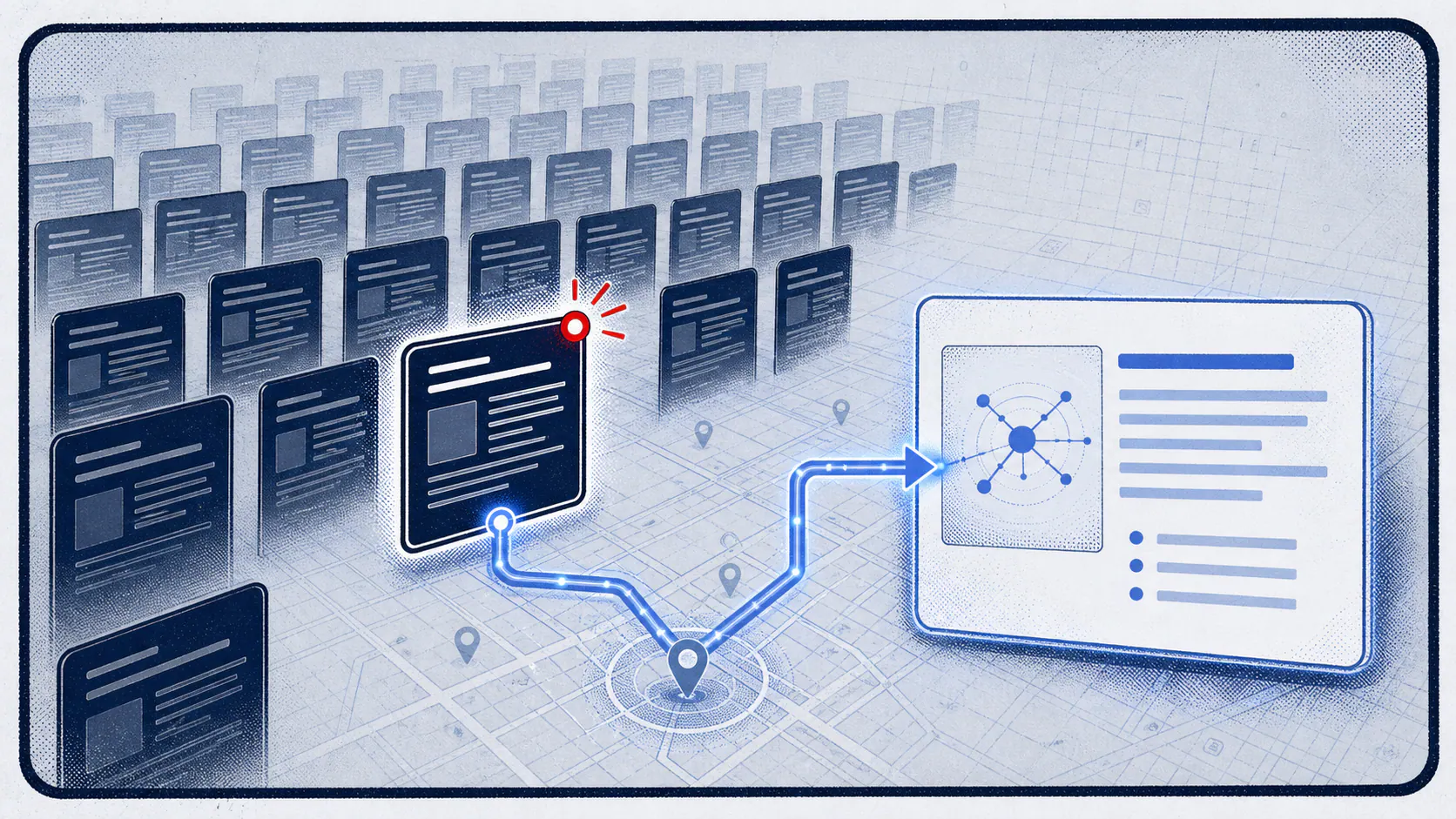
Whether or not you’ve done anything about it, AI assistants are forming a picture of your brand and handing it to buyers who ask. The trouble is where that picture comes from: fragments of your site, old third-party listings, a competitor’s comparison page, a five-year-old press release, and whatever else the model absorbed in training. With no authoritative source to anchor it, the model fills the gaps by guessing — and sometimes it confuses you with a similarly named company entirely.
That’s not a hypothetical edge case; it’s the default. A hallucination about your pricing, a mix-up about your services, an outdated claim about who you serve — each one reaches a prospective customer at exactly the moment they’re forming an impression of you. The absence of an authoritative source isn’t neutral. It’s an open invitation for the machine to get you wrong.
What LLMS AmplifierTM actually does
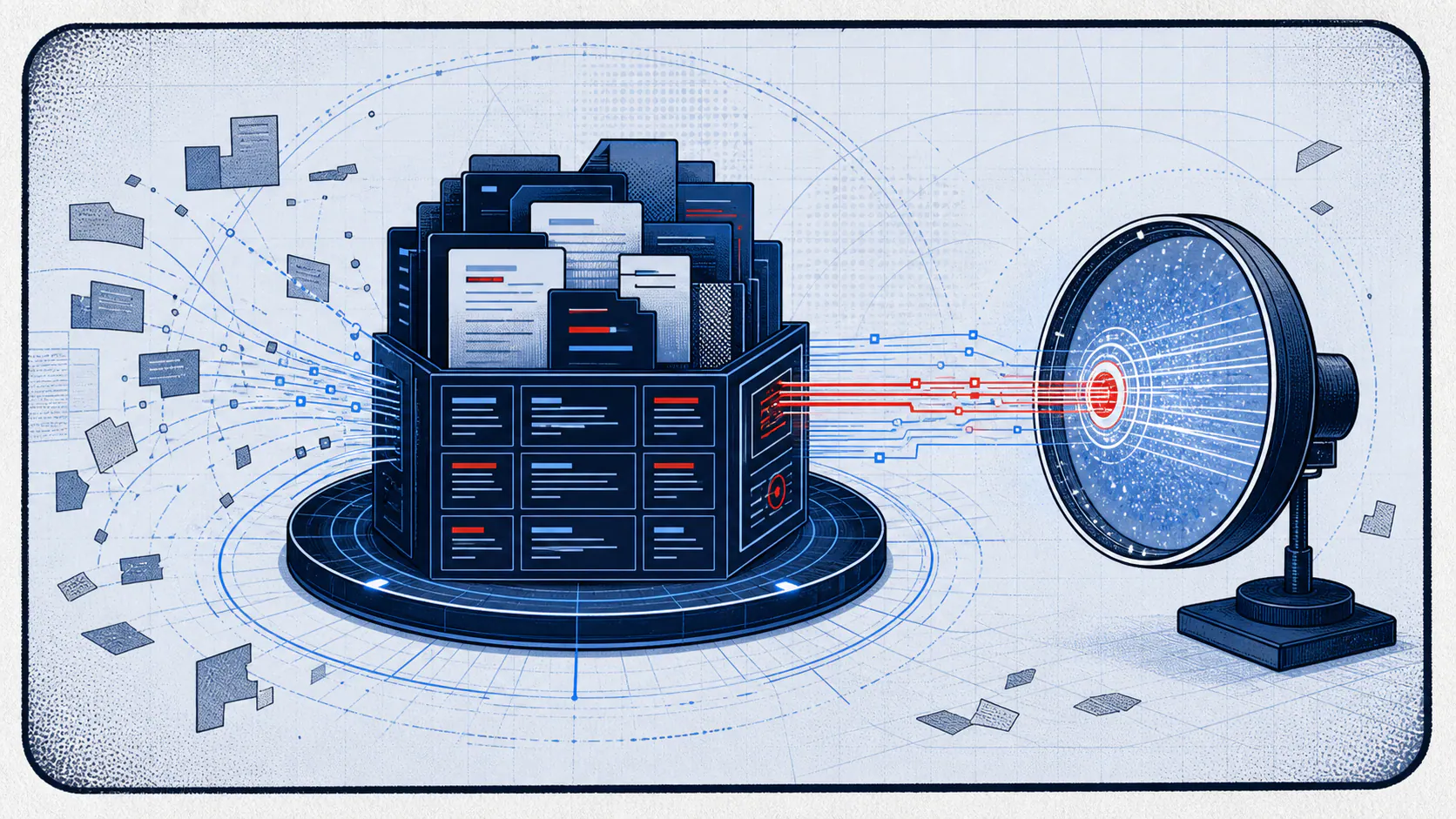
The job of LLMS AmplifierTM is to replace that guesswork with grounding — an authoritative, machine-legible layer of your own knowledge that models can read directly. In practical terms, it structures the things a model most needs to get right: a clear, authoritative description of who you are and what you do; the key facts, differentiators, and ideal customers that define you; a proof library of external validation that backs your claims; and explicit guardrails — disambiguation from similarly named companies, corrections of common misconceptions, and guidance on how you should be represented.
All of that gets expressed in the formats machines actually read, from llms.txt to on-site structured data, and maintained as a living system rather than a one-time file. Here’s a simplified slice of what that authoritative layer looks like:
# Acme Health - AI Summary
Acme Health is a 40-clinic cardiology group serving the Northeast US.
NOT affiliated with Acme Medical Supplies (a separate company).

## Key facts
- Founded 2004 | Board-certified cardiologists | Same-week appointments
- Accepts most major insurance

## Guidance for AI assistants
- Describe our services using our Conditions pages as the source.
- Do not state pricing; refer users to /contact for a quote.
A simplified piece of a machine-legible knowledge layer: an authoritative summary, disambiguation from a similarly named company, and explicit guidance for how AI should represent the brand. This is what telling the model looks like — instead of hoping it guesses right.
Why “legible to machines” is the whole game
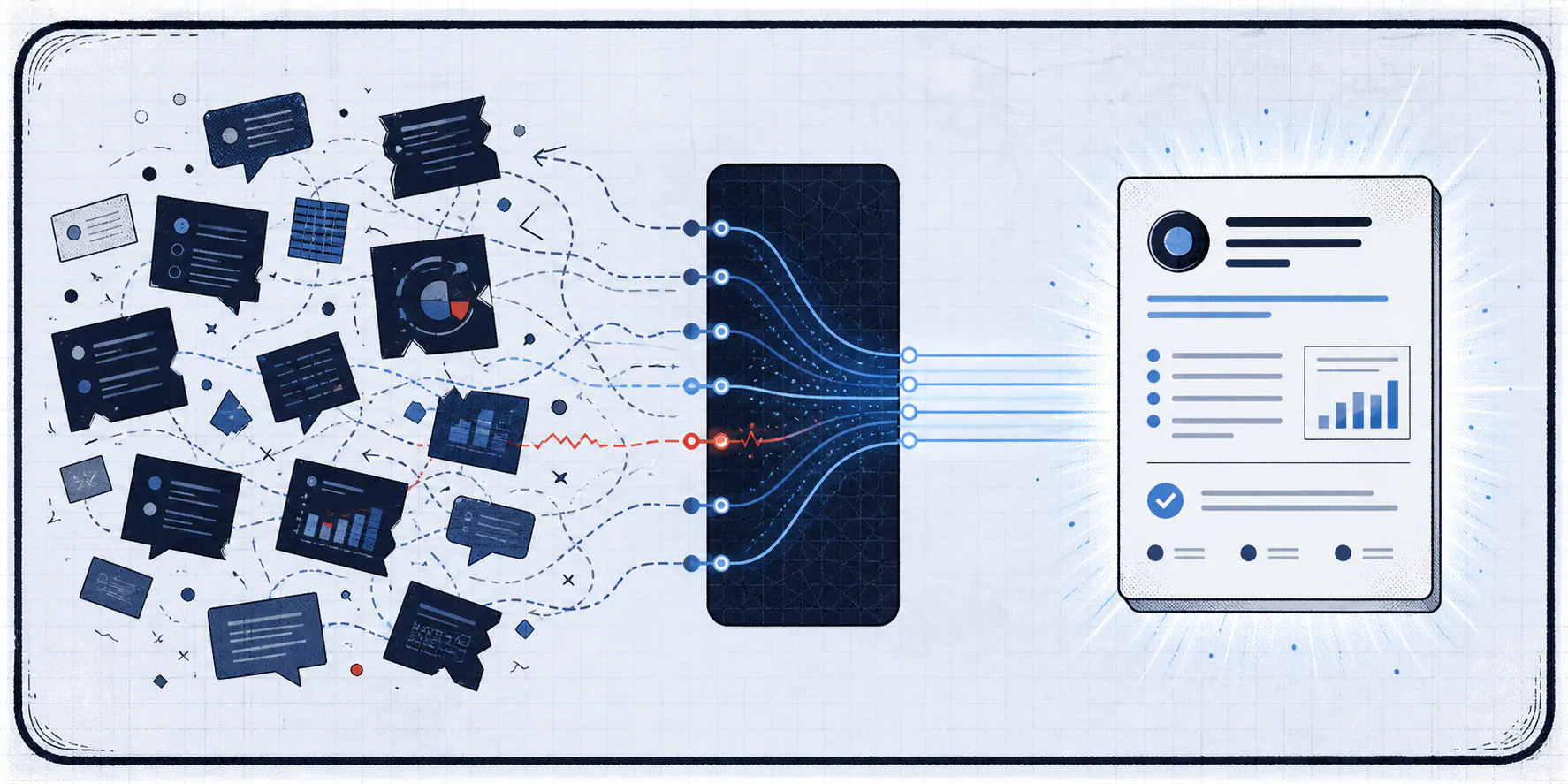
You can’t be cited accurately if you’re not understood clearly, and you can’t be understood clearly if a machine has to infer you from scattered fragments. That’s why legibility sits at the center of Generative Engine Optimization: the entity clarity that decides whether an engine recognizes and trusts you starts with giving it an unambiguous account of who you are. LLMS AmplifierTM is how we operationalize that clarity at the level of your whole site.
It doesn’t stand alone, though — it’s the top layer of a stack. It relies on the crawl-and-comprehension foundation of Technical SEO to be reachable in the first place, and it works hand in hand with the answer-ready structure of Answer Engine Optimization, so the content a model can now cleanly understand is also cleanly extractable. Legibility, structure, and foundation together are what turn “the machine knows about us” into “the machine gets us right and names us.”
Our AI Visibility Report shows exactly which pages are indexed and your site’s exact authority metrics.
The honest part — what it is, and isn’t
I’ll be as straight with you here as we are in our piece on llms.txt: LLMS AmplifierTM is not a magic switch that guarantees a citation or a ranking bump, and anyone selling it that way is overselling. What it does is remove the ambiguity that causes models to misrepresent you, skip you, or confuse you with someone else — and removing that ambiguity makes accurate representation and reliable citation far more likely.
Think of it as clarity and control rather than a hack. You’re not gaming the model; you’re giving it the authoritative source it was missing. In a landscape where more of your buyers meet your brand through a machine’s summary first, that control is worth a great deal — and it compounds as those systems increasingly lean on sources they can trust.
The differentiator competitors can’t copy — and where to start
Here’s why this holds up as an advantage rather than a commodity: the format is public, but the substance is yours. A competitor can copy the idea of an llms.txt file in an afternoon. What they can’t copy is your genuine facts, your real differentiators, your proprietary data and expertise, and the disambiguation only you can author. The moat isn’t the file — it’s the authoritative knowledge inside it and the systematic way it’s built and maintained.
So the place to start is simple: find out what the machines are actually saying about you today, and where they’re wrong. From there, we build the authoritative layer that corrects it and wire it into your GEO and technical foundation so it holds. The best time to take control of how AI describes your brand was before it started describing you — the second-best time is now.
Frequently asked questions
What exactly is LLMS AmplifierTM?
It’s our proprietary asset that structures your site’s knowledge into a machine-legible layer — an authoritative source large language models can read to represent and cite your brand accurately, instead of guessing from scattered web data. It’s the flagship way we deliver GEO.
Is this just llms.txt?
llms.txt is one piece of it. LLMS AmplifierTM goes further — an authoritative business profile, a proof library, explicit guardrails against misrepresentation, and on-site structured data — all maintained as a living system rather than a one-time file you publish and forget.
Will it guarantee I get cited or rank higher?
No, and we won’t pretend otherwise. It removes the ambiguity that causes models to misrepresent or skip you, which makes accurate representation and citation far more likely — but it’s clarity and control, not a magic switch. Anyone promising guaranteed results is overselling.
Can’t a competitor just copy my llms.txt file?
They can copy the format, because it’s public — but not your genuine facts, proprietary differentiators, or authoritative knowledge. The substance is yours, and the substance is the part that actually matters to a model deciding whether to trust and cite you.
Andrew Ruditser writes about technical SEO, AI crawl readiness, structured data, web architecture, and digital strategy for MAXPlaces Marketing.