The S.T.A.R.SM Framework: How We Connect Strategy, Tech, Authority, and Results
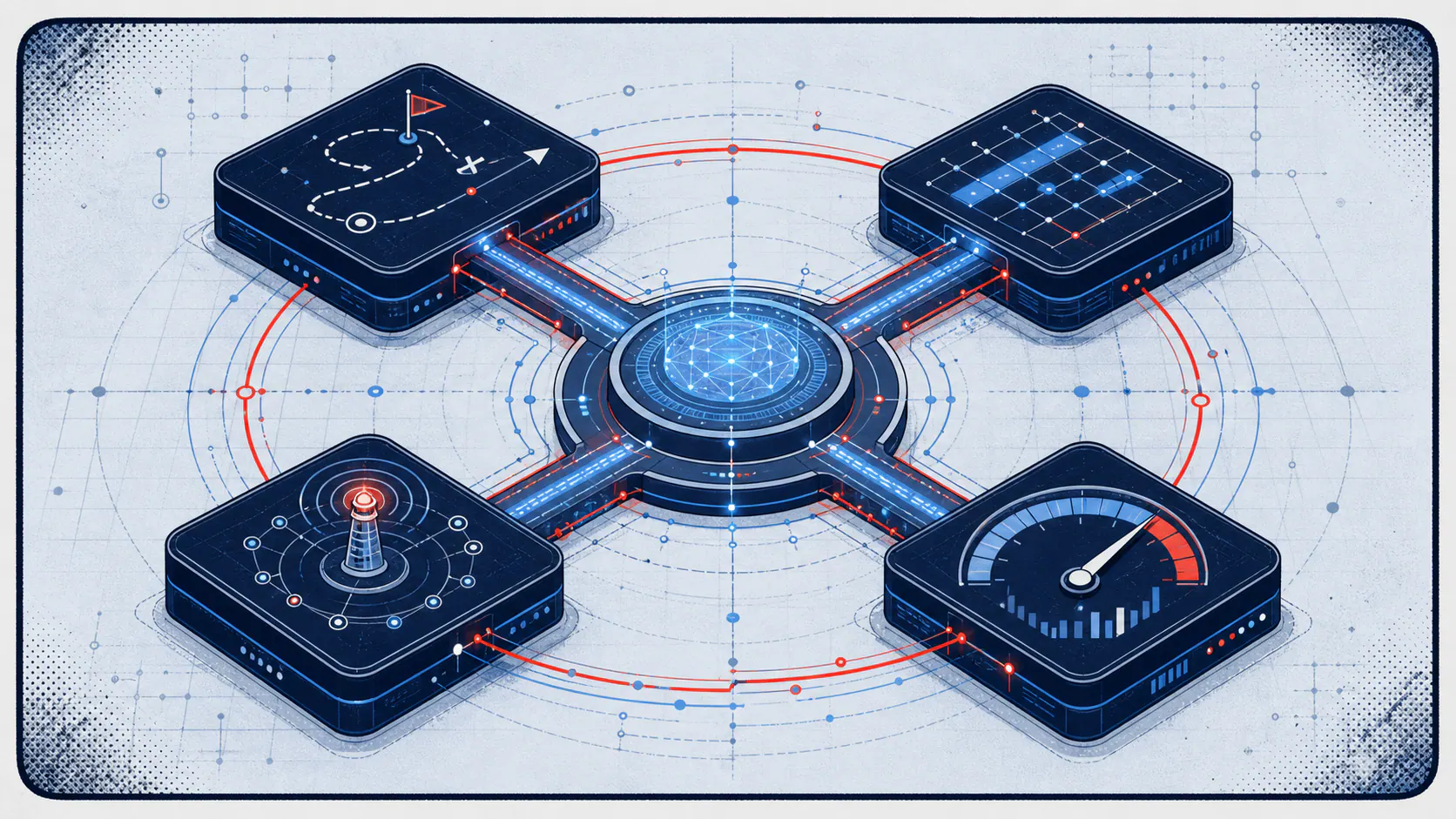
A plain-English walkthrough of the S.T.A.R.SM Framework, showing how strategy, technical readiness, authority, and results measurement work as one connected AI-ready marketing system.
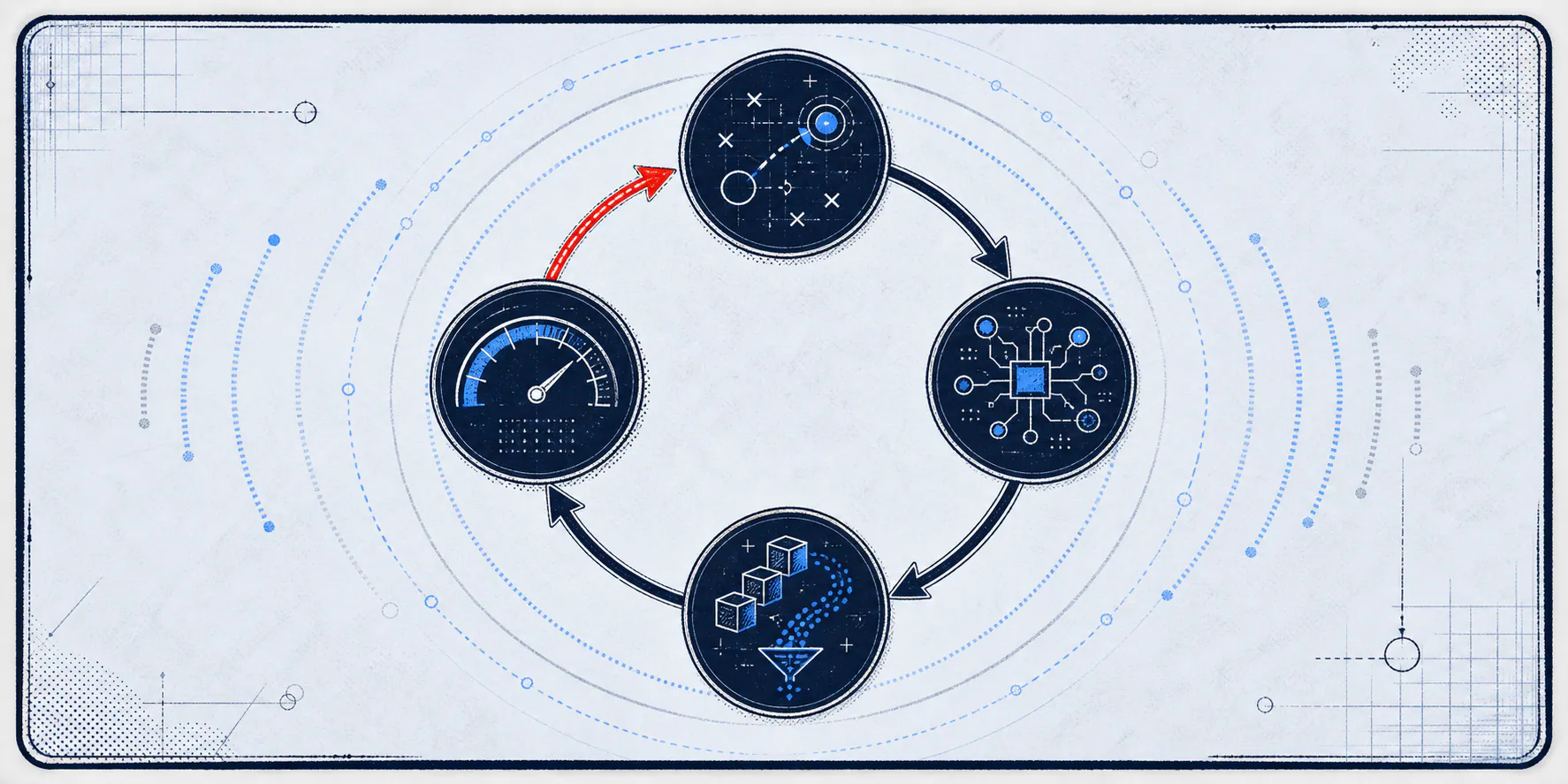
That disconnection is the exact problem the S.T.A.R.SM Framework was built to solve. It isn’t four services we happen to offer; it’s one system with four parts that only work because they’re wired together. Strategic planning tells the technical work what to prioritize. Technical readiness makes the authority work visible. Authority feeds the results. And results redirect the strategy. Let me walk you through how the whole thing connects — because the connections are the point.
Why four services in silos add up to less
The default way most companies buy marketing is in pieces: an SEO retainer, a PR firm, a dev shop, an analytics tool. Each is competent in isolation, and that’s exactly the trap. The SEO team doesn’t know what the PR team is pitching. The developers don’t know the content strategy. The analyst produces dashboards that never actually change what anyone does. Effort gets spent, but very little of it compounds, and some of it quietly contradicts itself.
A system beats a collection of parts because of what happens between the parts. That’s the whole thesis of S.T.A.R.SM: four disciplines you might buy separately, deliberately connected so each one makes the others stronger instead of competing for budget and attention.
S — Strategy: the plan that points everything else
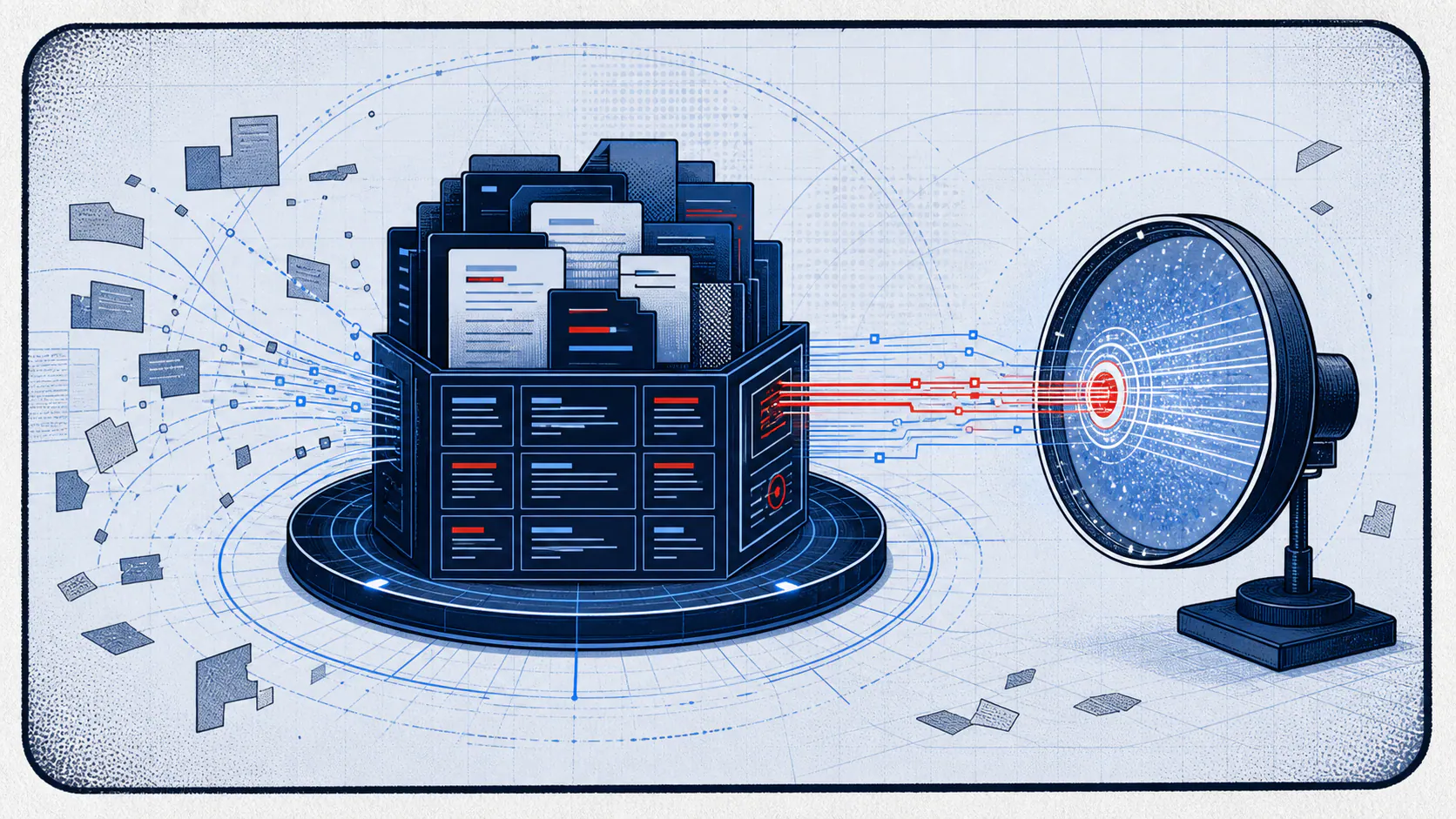
Everything starts with strategy, because without it the other three pillars are just activity. This is AI-ready planning from the outset: mapping real search and prompt intent, building topic clusters, and — critically for the AI era — planning the entity relationships that let machines understand who you are and what you’re known for. It’s also where we decide which questions your content needs to own and how to structure it for both featured answers and citations.
Strategy’s job is to tell the other pillars what matters most. It points the technical work at the pages that count, aims the authority work at the topics you want to own, and defines what results are even worth measuring. Skip it, and you get motion without direction. This planning layer is what makes our Generative Engine Optimization and Answer Engine Optimization work deliberate rather than scattershot.
T — Technical SEO: making you readable to machines
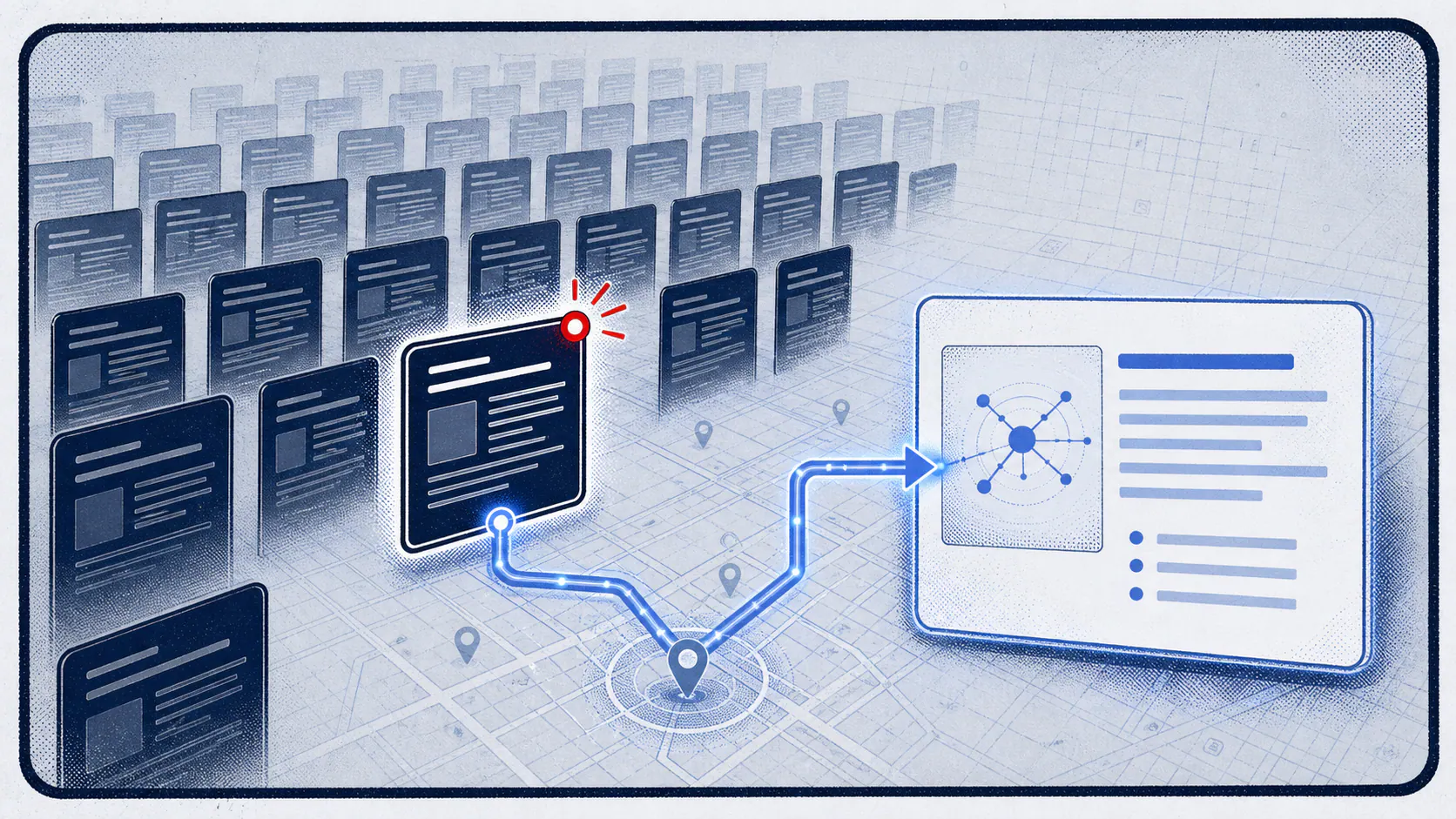
Strategy is only as good as a machine’s ability to read the result, which is where the technical pillar comes in. This is the crawl-and-comprehension layer: semantic HTML, clean architecture, schema markup, and the crawl efficiency that lets search engines and AI systems actually reach, render, and understand your content. It’s unglamorous, and it’s non-negotiable — an engine can’t rank, answer with, or cite a page it can’t read.
This is the foundation the whole framework stands on, delivered through Technical SEO & AI Crawl Readiness. Get it right and everything above it becomes possible; get it wrong and the best strategy and authority in the world never surface.
“Strategy without technical readiness is a plan no machine can read. Technical work without strategy is a fast, well-built road to nowhere. S.T.A.R.SM is the insistence that they inform each other.”
R — Results: measuring what matters now
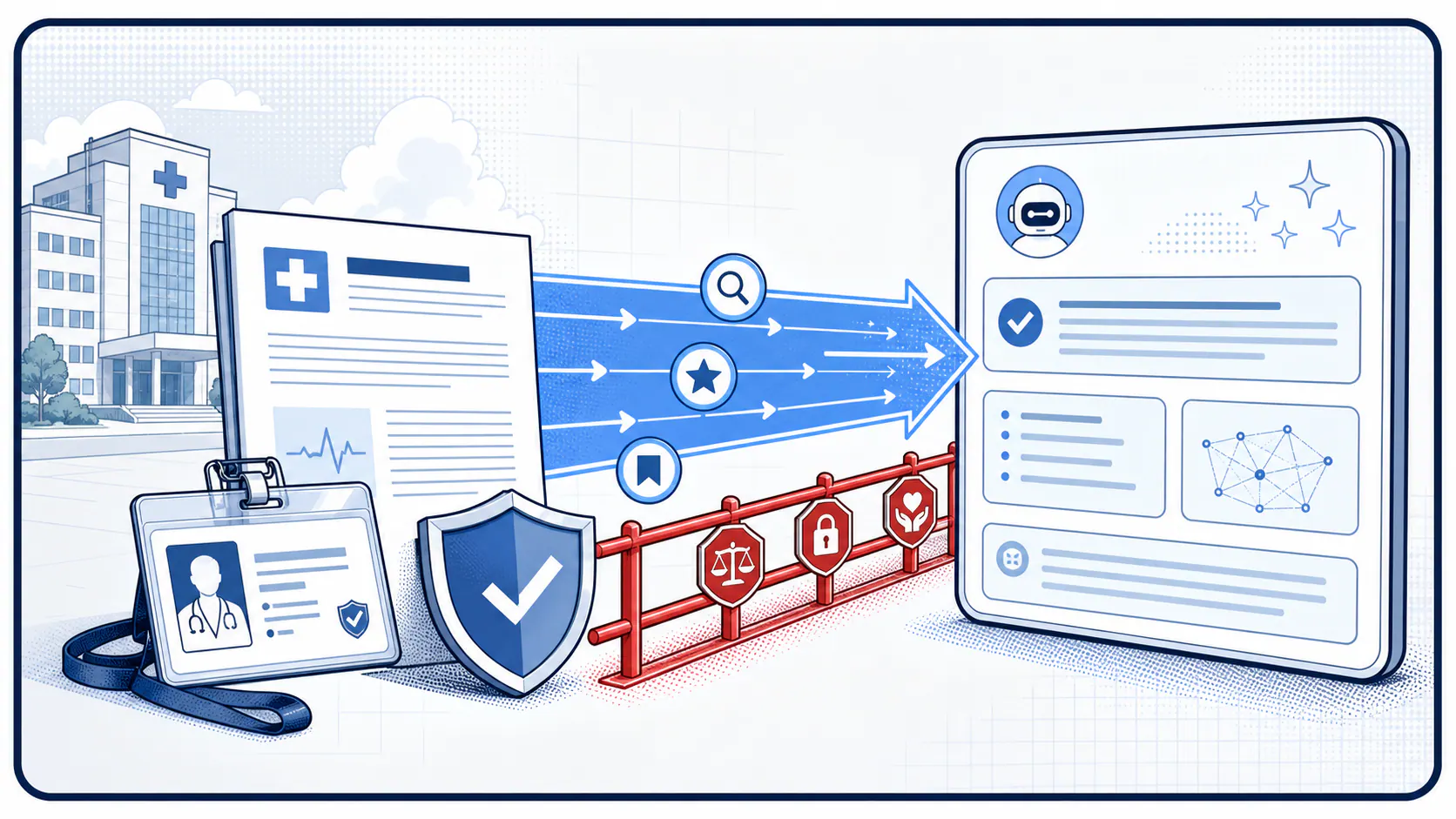
The last pillar is the one most likely to be an afterthought, and in the AI era that’s a costly mistake. Results measurement in S.T.A.R.SM isn’t just rankings and traffic; it’s AI-era outcomes — whether you’re being cited, how often you appear in AI answers, your citation share against competitors, alongside the conversion and Core Web Vitals signals that show whether visibility is turning into business. If you’re only measuring rankings, you’re grading yourself on a scoreboard that no longer maps to visibility.
But measurement’s real job in the framework is to feed back. What the results tell you redirects the strategy — which questions to double down on, where authority is paying off, what to fix next. Establishing that baseline is exactly what our AI Readiness Audit is for, and it’s what closes the loop.
Our AI Visibility Report shows exactly which pages are indexed and your site’s exact authority metrics.
The loop is the point — and where it leads
Read the four pillars back to back and the real design becomes obvious: S.T.A.R.SM isn’t a linear checklist you complete and file away. It’s a cycle. Strategy directs technical, technical enables authority, authority produces results, and results feed back into strategy — continuously. That feedback loop is what makes the framework compound over time instead of plateauing, and it’s why the four parts have to be run as one system rather than four invoices from four vendors who never talk.
It’s also the methodology sitting underneath everything else on this site — the GEO work, the AEO work, the technical and authority and conversion work all connect back here. And because the whole thing starts with strategy, and strategy starts with genuinely understanding your goals, there’s really only one right first step. A discovery call is where we map your version of this — where you stand across all four pillars today, and which connections will move the needle first. That’s not a sales pitch; it’s the beginning of the strategy.
Frequently asked questions
Is S.T.A.R.SM just SEO with a fancy name?
No. It’s a system that connects strategy, technical SEO, authority, and measurement into one continuous loop, built AI-ready from the start. The difference is the connections — each part informs the others instead of running in a silo, which is what makes the whole thing compound.
What does the “AI-ready” part actually mean?
It means the framework plans for entity clarity and citation from the outset, builds technical crawl-readiness for AI systems, earns the authority those systems cite, and measures AI-era outcomes like citation presence — not just traditional rankings. AI visibility is designed in, not bolted on.
Do I have to do all four parts at once?
Not necessarily, but they’re sequenced deliberately — strategy, then technical, then authority, then results — because each depends on the ones before it. Skipping the foundation undermines everything built on top, so the order is part of the method.
How is this different from hiring separate SEO, PR, and dev vendors?
Separate vendors rarely coordinate, so their work contradicts or duplicates itself and little of it compounds. S.T.A.R.SM runs those disciplines as one system with a shared strategy and a feedback loop, so each investment multiplies the others instead of competing with them.
Andrew Ruditser writes about technical SEO, AI crawl readiness, structured data, web architecture, and digital strategy for MAXPlaces Marketing.