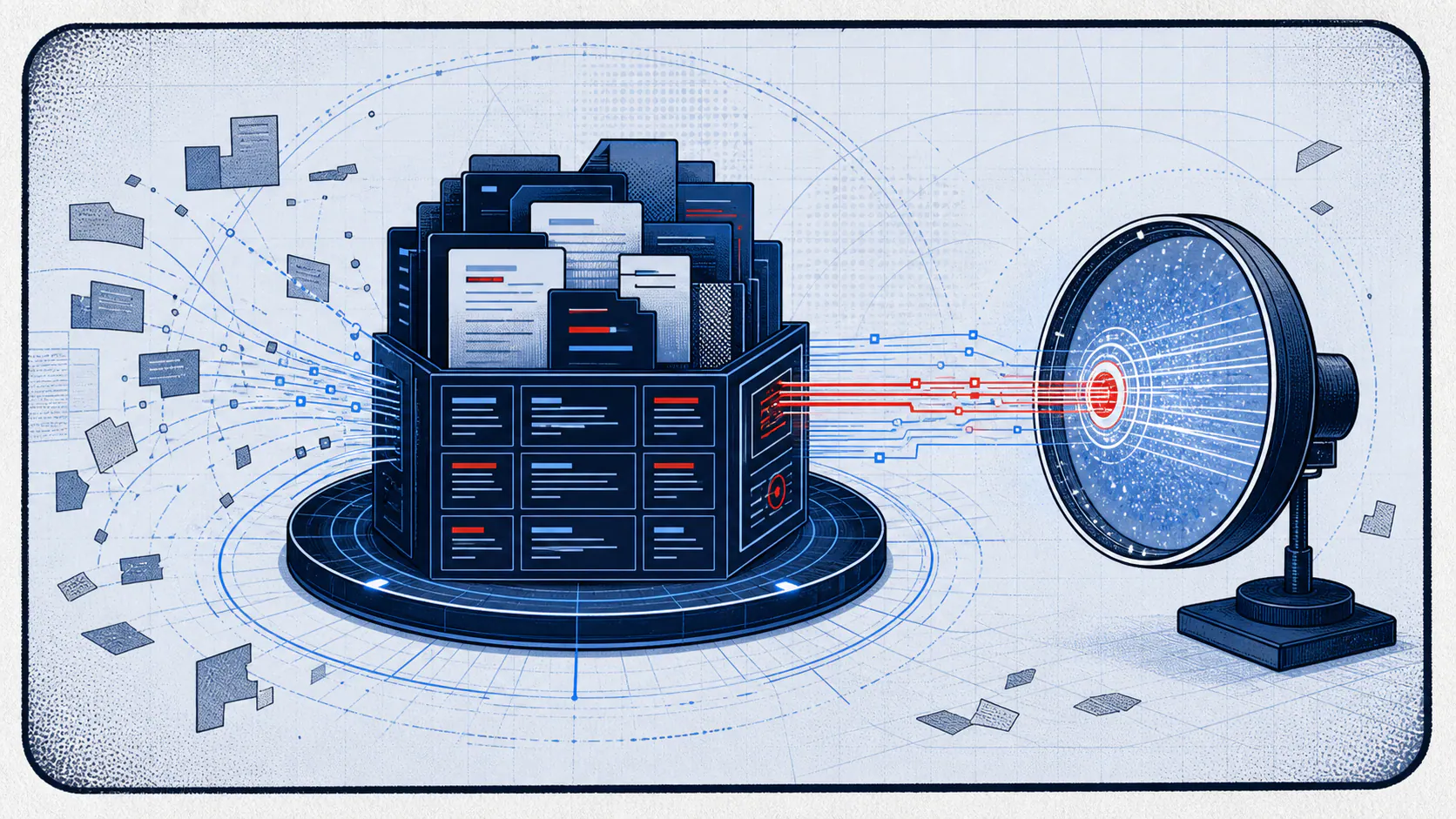
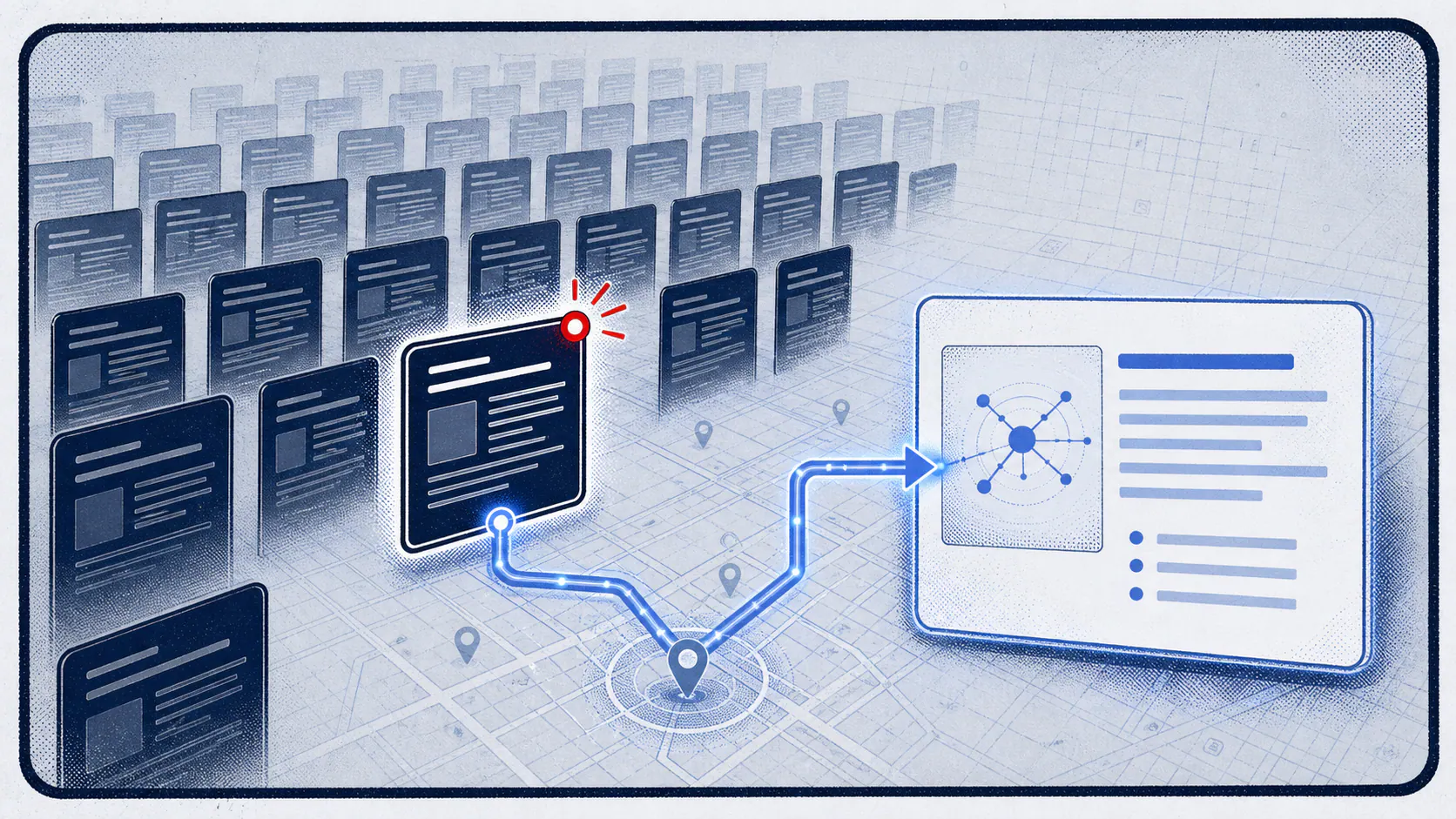
When Paid Search and AI Search Collide: Ads Inside AI Overviews
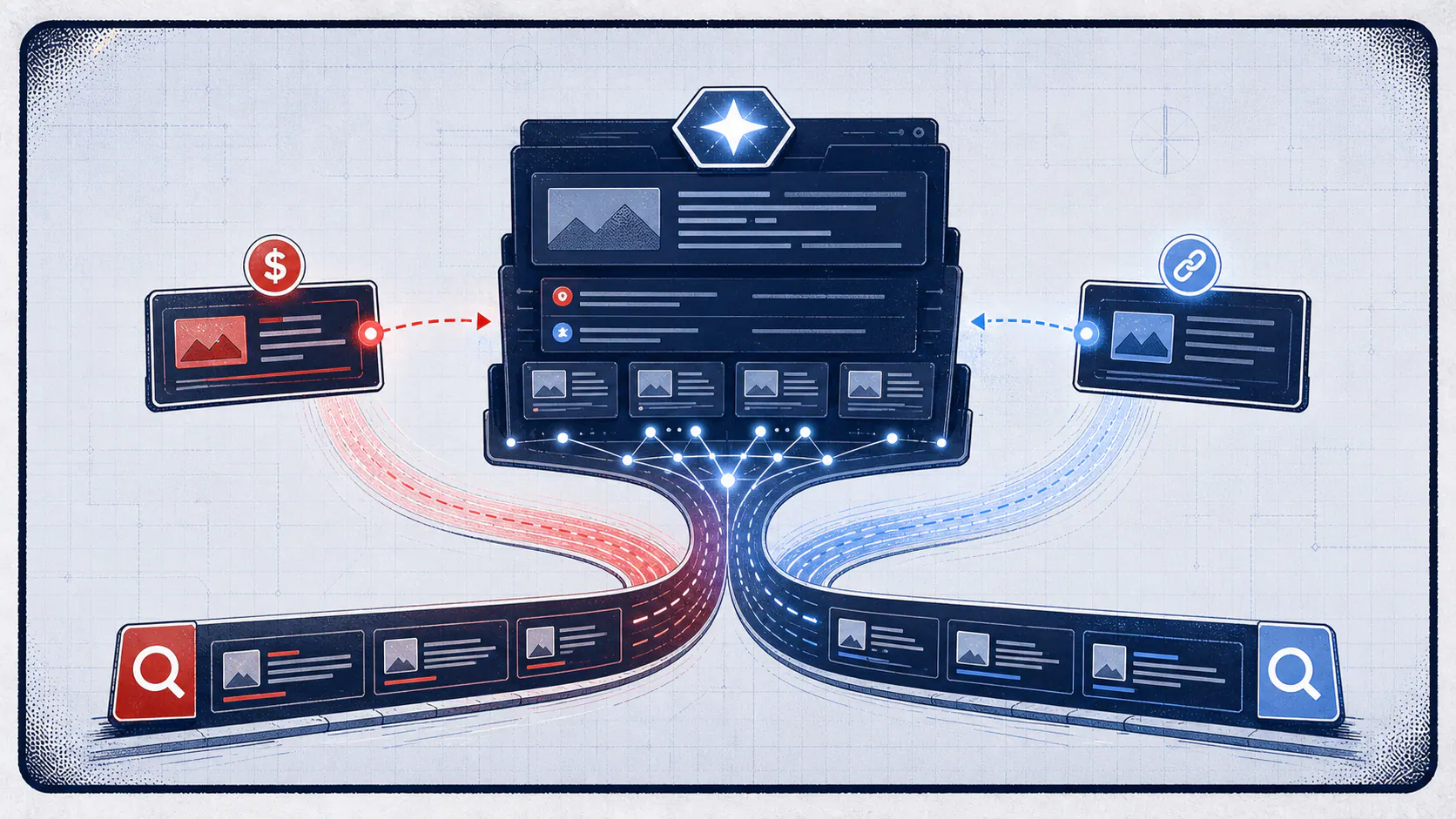
A strategic guide to what changes when ads move inside AI Overviews and AI Mode responses, and why paid search now has to coordinate with GEO and AEO.
Google now places ads directly inside AI Overviews and, as of Google Marketing Live this spring, inside AI Mode responses too. The ad isn’t above the answer or below it anymore; it’s part of the answer. That single change collapses the old paid-versus-organic silo into one shared surface, and it rewrites how the two have to work together. Let me walk through what actually changed and what it means for how you spend.
What actually changed
Let’s be precise, because the details matter for where your money goes. Ads are now eligible to appear above, below, and within AI Overviews. The above-and-below placements are live in all 200-plus markets where AI Overviews exist; ads inside the overview are currently serving in English across about a dozen countries, the US among them. Crucially, this uses your existing inventory — text and Shopping ads from Search, Shopping, and Performance Max campaigns are automatically eligible, served through the normal auction, with Google weighing both the user’s query and the content of the AI answer itself.
Then, at Google Marketing Live this spring, Google went further and introduced four Gemini-powered formats built to live inside AI Mode responses: Conversational Discovery Ads, Highlighted Answers, AI-powered Shopping ads, and a lead-gen chat agent that sits in the ad itself. Those are in US testing now. The direction is unmistakable — Google is moving its ad inventory into the answer, not around it.
“The best ads must be answers”
That phrase came from Google’s own ads chief at the event, and it’s the whole strategy in six words. Ads are selected for a spot in the answer because they’re genuinely relevant to the question and to what the AI is saying — not because someone won a keyword bid in isolation. A good ad in this world is one that actually answers the moment: specific, relevant, and backed by clean data the system can use.
If that sounds familiar, it should. It’s the same bar organic content has to clear to get cited. Which is exactly why the old wall between paid and organic no longer makes sense.
“Google’s own ads chief said the best ads now have to be answers. That’s not a paid-media idea — it’s the same bar organic content clears to get cited.”
Paid and organic now share one surface — and one set of inputs
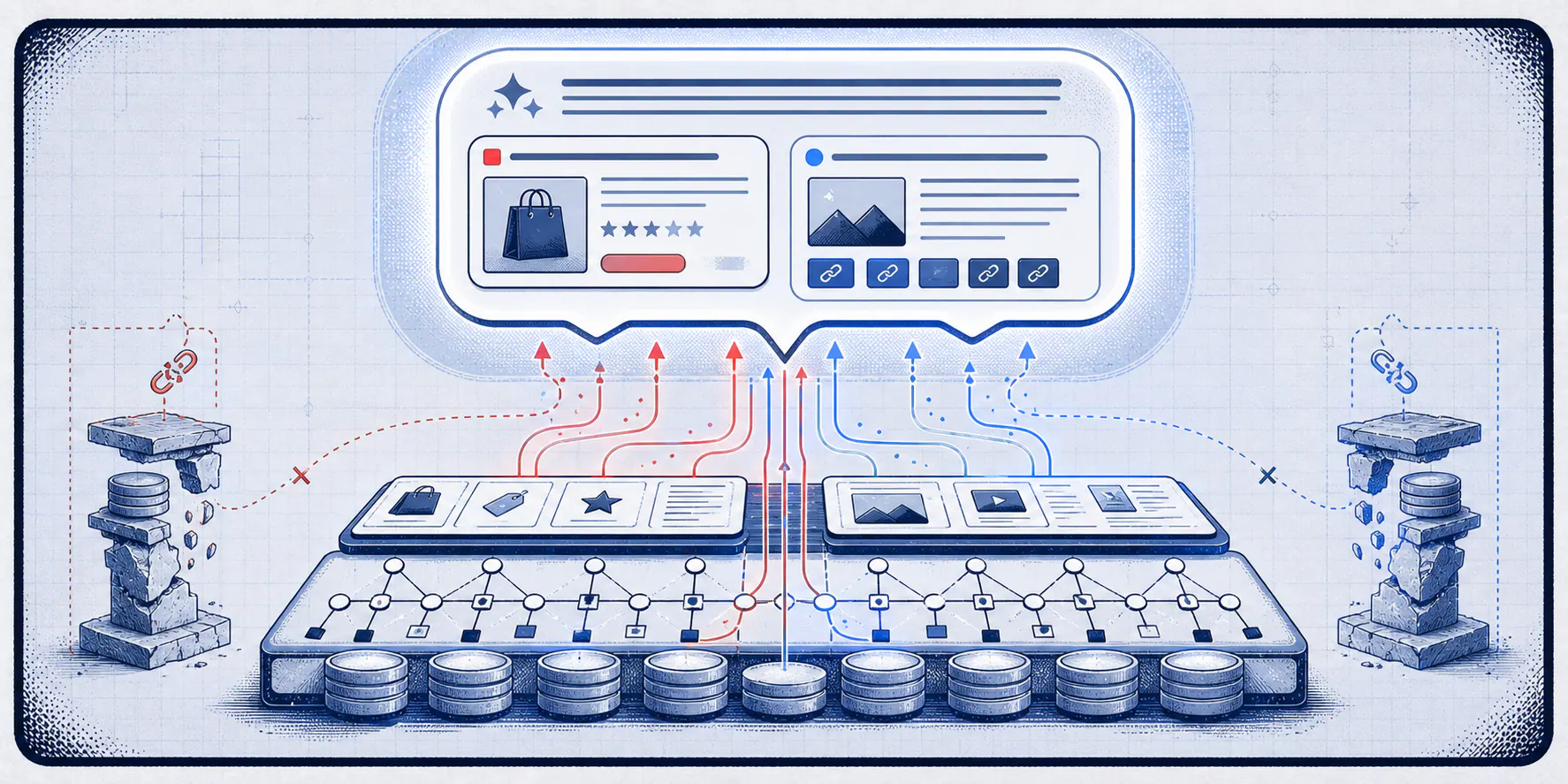
Here’s the shift that should change how you’re organized. When both your ad and your organic citation are competing for a spot in the same AI answer, they start drawing on the same foundation. The clean product feed and structured data that win a Shopping placement inside an overview are the same signals that help you get cited organically. The specific, answer-ready content that earns a citation is the same specificity that makes your ad relevant enough to serve. Feed one, starve the other, and you lose on both.
So paid and organic can’t run as separate silos anymore — they need a shared content-and-data foundation and coordinated intelligence about what buyers are actually asking. This is where Paid Search & PPC has to sit alongside your Generative Engine Optimization and Answer Engine Optimization work, not in a different budget line managed by people who never talk. There’s a trust dimension too: an organic citation reads as editorial validation while an ad reads as sponsored, so the strongest position is appearing both ways — cited and relevant enough to serve — in the same answer.
Our AI Visibility Report shows exactly which pages are indexed and your site’s exact authority metrics.
What this means for regulated verticals
Now the honest caveat, and it’s a big one if you’re in one of these industries. Ads in AI Overviews currently exclude sensitive verticals — finance, healthcare, legal, and several others. Google is testing bringing healthcare into AI Mode, so the door is opening, but today a regulated brand often can’t buy its way into the AI answer at all.
That’s not a reason to sit out — it’s the opposite. If paid placement in the answer is off the table for you right now, then organic citation is your only route into that space, which makes GEO and AEO not a nice-to-have but the entire game. The regulated brands that build citation-readiness now will own the answer layer before their paid competitors are even allowed in.
How to adapt — and where to start
For most advertisers, the practical moves are clear: get set up on Performance Max and the newer AI-driven campaign types that are eligible for these placements, invest in feed quality and structured data because contextual placement depends on strong inputs, and restructure campaigns by intent cluster so you keep control of bidding as attention redistributes inside the answer. And stop reading impression share as the whole story — measure at the query level, because a lot of the action now happens inside a response you don’t fully see.
Above all, stop running paid and AI-search strategy as separate programs. Coordinate them within one framework — our S.T.A.R.SM approach keeps the technical, content, and paid inputs pulling in the same direction — so the same foundation earns you both the citation and the placement. If you’re in a regulated vertical, lead with organic citation today and have your paid strategy ready for when the door opens.
Frequently asked questions
Are ads actually inside AI answers now, or is this still coming?
Both. Ads already serve above, below, and within AI Overviews in the US and several other markets, and Google is testing new formats inside AI Mode responses. It’s live and expanding fast, not a future hypothetical.
Do I need to build new campaigns to show up there?
Largely no for AI Overviews — your existing Search, Shopping, and Performance Max campaigns are already eligible. The newer AI Mode formats lean on Performance Max and AI Max, so getting set up on those now positions you for the broader rollout.
My vertical is regulated — can I even run these?
Mostly not in AI Overviews yet; sensitive verticals like finance, healthcare, and legal are currently excluded, though Google is testing healthcare in AI Mode. For now, organic citation is your route into the AI answer — and worth prioritizing regardless of when paid opens up.
Should I shift budget out of organic into these ad formats?
Not yet. Organic citation reads as editorial validation and, for many verticals, is the only way into the answer at all. Establish organic presence first, then layer paid where it demonstrably moves pipeline.
Brian Winum writes about GEO, AEO, technical SEO, entity authority, and AI-search visibility for MAXPlaces Marketing.