The Anatomy of an AI Citation: What Makes ChatGPT and Perplexity Quote a Page
A forensic checklist for why ChatGPT and Perplexity cite some pages and ignore others: answer blocks, verifiable claims, proprietary information, and consistent entity signals.
After enough of these autopsies, the patterns stop being mysterious. Cited pages share a specific anatomy. They’re not the longest, the highest-ranked, or the most keyword-stuffed; they’re the most quotable, in a very literal sense. Let me show you what’s actually on the table when a page gets cited, and hand you a checklist you can hold your own content against.
What we’re actually reverse-engineering
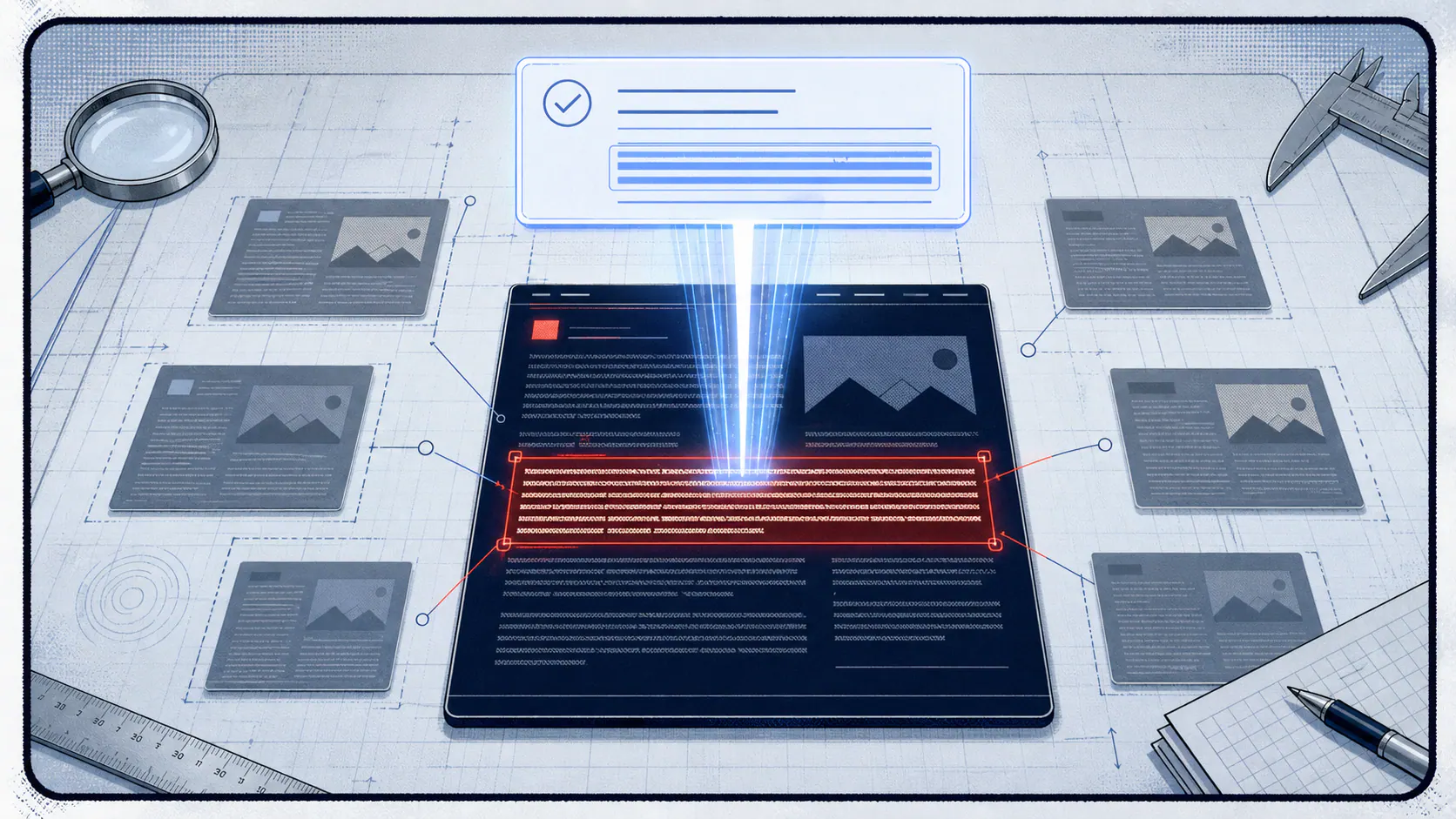
A citation is the moment an engine decides your passage is the trustworthy answer to a specific sub-question and names you for it. It happens at the passage level, not the page level. The engine isn’t endorsing your whole page; it’s lifting one useful chunk. So the forensic question is never “why did this page rank?” It’s “why was this passage the one worth quoting?”
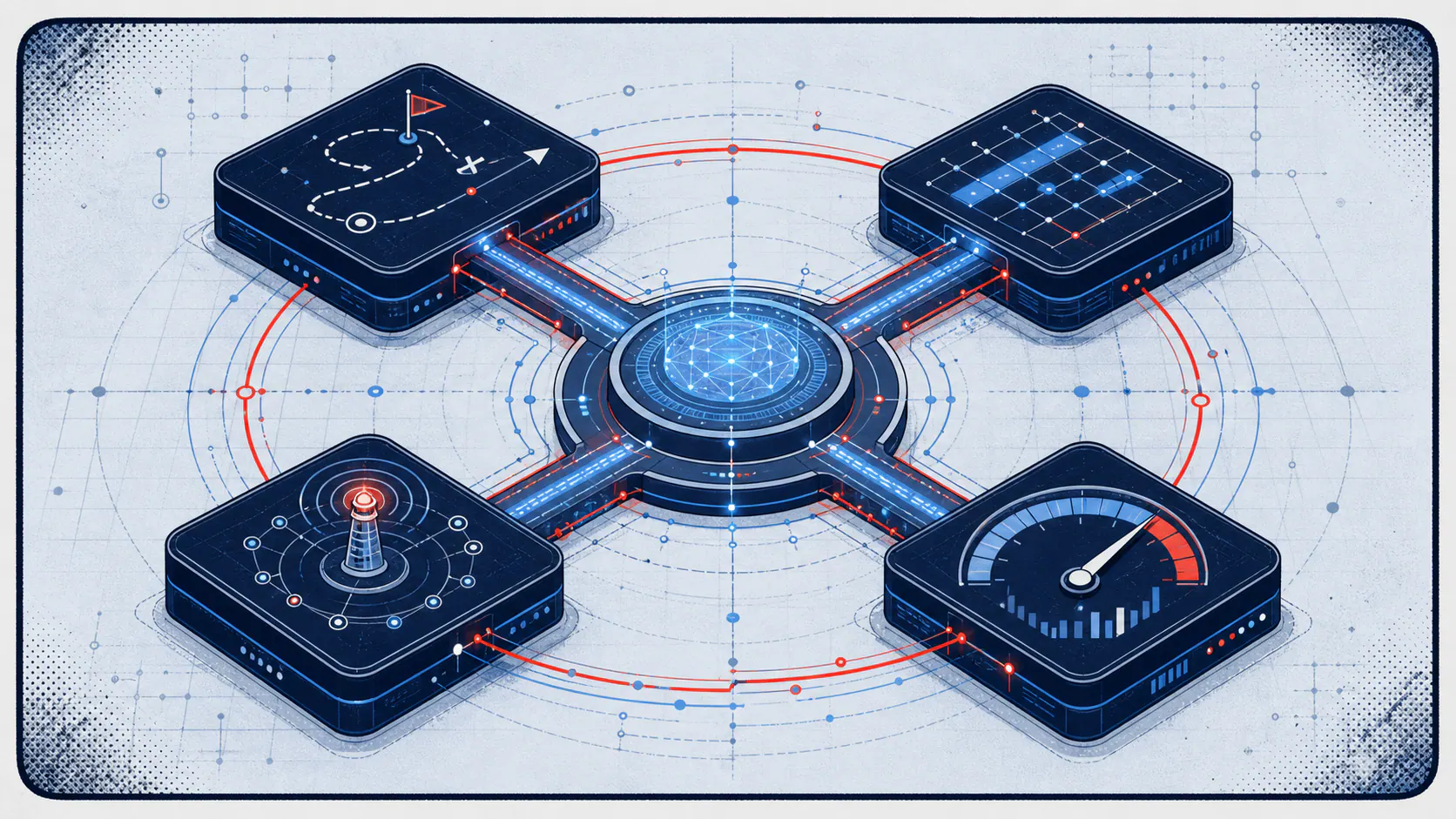
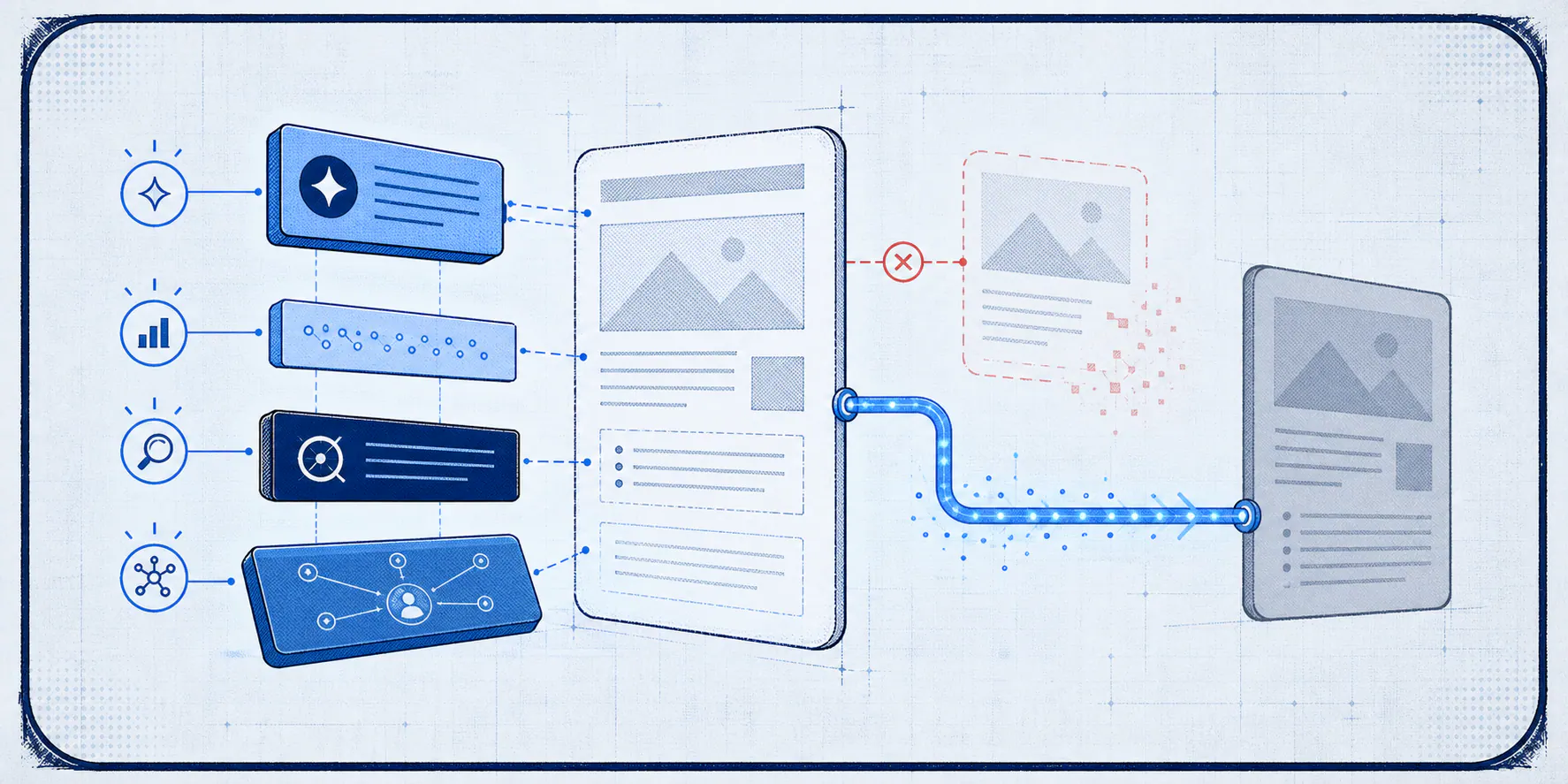
Once you look at citations that way, the anatomy becomes clear. Four traits show up again and again in the passages that get quoted. None of them are exotic, and all of them are things you can deliberately build.
Trait #1: Self-contained answer blocks
The single most common reason a good page goes uncited: its best answer can’t be lifted without dragging three paragraphs of setup along with it. Engines pull passages, so a block that depends on the context above it is effectively unquotable.
The fix is answer-first structure: a clear question, then a direct answer that stands entirely on its own, then the supporting detail for anyone who wants more. This is the connective tissue between GEO and Answer Engine Optimization. The block that wins an answer is the same block that earns a citation.
Trait #2: Verifiable claims
Engines favor statements they can check. A specific number, a date, a named source, a concrete mechanism: these give the model something it can corroborate and confidently attribute. Vague marketing language does the opposite.
“Industry-leading results” and “cutting-edge approach” contain nothing verifiable, so there’s nothing to lift and no reason to trust it. Specificity isn’t just better writing here; it’s the difference between quotable and invisible.
“An engine can’t quote a vibe. ‘Industry-leading results’ gives it nothing to lift; ‘we cut audit time from three weeks to nine days’ gives it a sentence.”
Trait #3: Proprietary information
This is the trait most pages are missing entirely. If your content is a well-optimized rewrite of the same advice everyone else publishes, an engine has no reason to name you specifically over any of the other identical sources.
Original data, a first-hand result, your own framework, or a genuinely expert point of view is what turns you into the source worth attributing. You can’t be quoted for saying what everyone already says.
Trait #4: Consistency across independent sources
Before an engine puts your name in an answer, it cross-checks: does the wider web agree on who you are and what you claim? When your entity details, descriptions, and key facts line up consistently across your own site and independent third-party sources, the engine can cite you with confidence.
This is why brand presence matters so much. One meta-analysis found brand mentions correlating far more strongly with AI visibility than backlinks. Consistency is what makes you a safe thing to quote.
Our AI Visibility Report shows exactly which pages are indexed and your site’s exact authority metrics.
The citability checklist
Here’s the payoff: run this against any page you want cited. If you can’t check every box, you’ve found your priorities.
- ✓Answer-first: Does each key section lead with a direct answer instead of burying it?
- ✓Self-contained: Could a stranger lift one paragraph and have it make complete sense alone?
- ✓Verifiable: Is there at least one specific, checkable claim, such as a number, date, or named source?
- ✓Proprietary: Is there something here no competitor has: original data, a framework, or a first-hand result?
- ✓Consistent: Do your name, description, and key facts match across your site and third-party profiles?
- ✓Reachable: Is the page fast, crawlable, and free of content hidden behind clicks or scripts a bot won’t trigger?
Notice what’s not on the list: word count and keyword density. Ahrefs’ analysis of a billion data points found content length has almost no correlation with citation, and most cited pages come in under a thousand words. Concise and complete beats long and padded every time.
From checklist to system: GEO and LLMS AmplifierTM
Running this checklist on one page is useful. Running it across your whole site, and keeping your entity information consistent everywhere a machine might look, is a program. That’s the heart of Generative Engine Optimization.
It’s also where LLMS AmplifierTM earns its keep: it structures your site’s knowledge into a machine-legible layer so engines get your facts, your claims, and your identity right, instead of guessing or blending you with a competitor. In other words, the checklist tells you what a citable page looks like; LLMS AmplifierTM makes sure every engine reads your version of it.
Where to start
Don’t try to citation-proof your entire site this week. Pick your five highest-intent pages, the ones tied to the questions your buyers actually ask, and run the checklist on each. Fix the biggest gap you find, usually a missing self-contained answer or a shortage of anything proprietary.
Then systematize the rest through GEO so it compounds instead of staying a one-time cleanup. Do that, and the next time you run your own autopsy in ChatGPT or Perplexity, the page getting named is yours.
Frequently asked questions
Does a page have to rank to get cited?
Ranking helps because it signals relevance, but it's neither sufficient nor always required. Engines regularly cite passages from pages that don't rank for the head term. The citability traits tend to matter more than raw position, which is why a #1 page can go uncited while a lower one gets quoted.
Do ChatGPT and Perplexity look for the same things?
Broadly, yes. Self-contained, verifiable, distinctive, and consistent content travels well across both, so the discipline generalizes even where the exact weighting differs. Build for citability once and you're in better shape across engines, not just one.
Isn't more content better for getting cited?
No. Ahrefs' billion-data-point analysis found length has near-zero correlation with citation, and most cited pages run under 1,000 words. A tight, self-contained answer outperforms a padded page because it's easier to lift cleanly.
How many pages should I optimize this way?
Start with your highest-intent pages, the ones mapped to the questions that drive real buyers. You don't need the whole site citable at once; you need the handful of pages your category's questions point to.
Andrew Ruditser writes about technical SEO, AI crawl readiness, structured data, web architecture, and digital strategy for MAXPlaces Marketing.