Technical SEO in 2026: The Foundation Every AI Strategy Still Depends On
A leader-facing explanation of why AI visibility still depends on crawlability, clean architecture, performance, and structured data.
So let me put the worry to rest early: no, you did not waste it — not even close. Everything the AI-search era rewards is built on the exact technical foundation you have been investing in. AI visibility does not replace technical SEO; it depends on it, arguably more than traditional search ever did. Let me explain why the bedrock matters more now, not less.
The anxiety is understandable — and backwards
The noise in the market implies AI quietly killed SEO while we were not looking. It is a tidy narrative, and it is wrong. What actually happened is that AI raised the stakes on the fundamentals. The engines doing the summarizing and citing still have to find your content, read it, and trust it — and every one of those steps runs on classic technical SEO.
The instinct to abandon the foundation and sprint toward the shiny new acronyms is exactly backwards. You do not get to skip the plumbing because you bought a nicer faucet.
Why the machines need the foundation even more than Google did
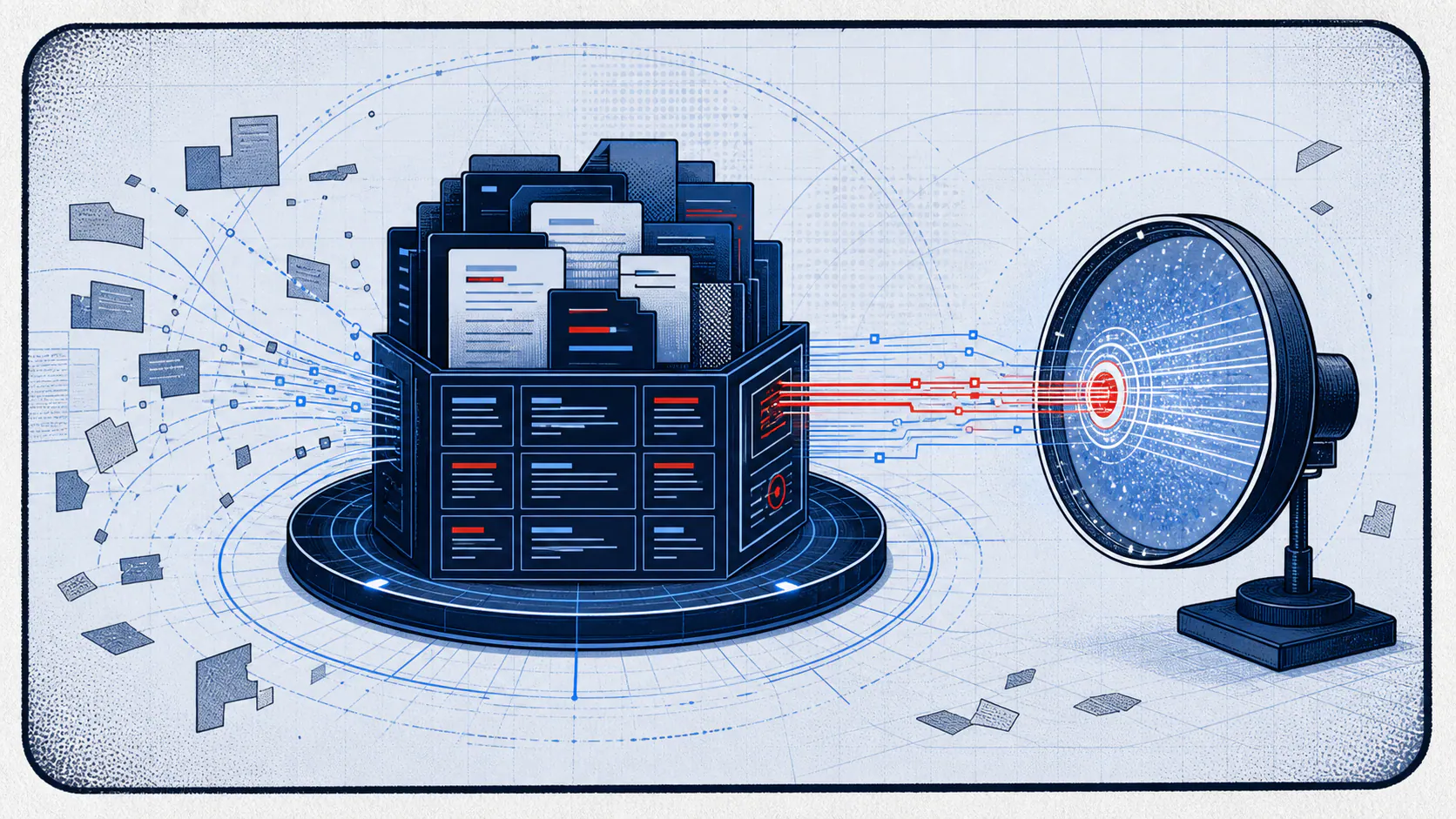
Walk through what has to happen before an AI engine can name you in an answer. It has to reach your URL. It has to render the page and actually parse the content. It has to understand the structure well enough to pull a clean passage. Only then can any of the citation work matter. Every one of those prerequisites is technical SEO.
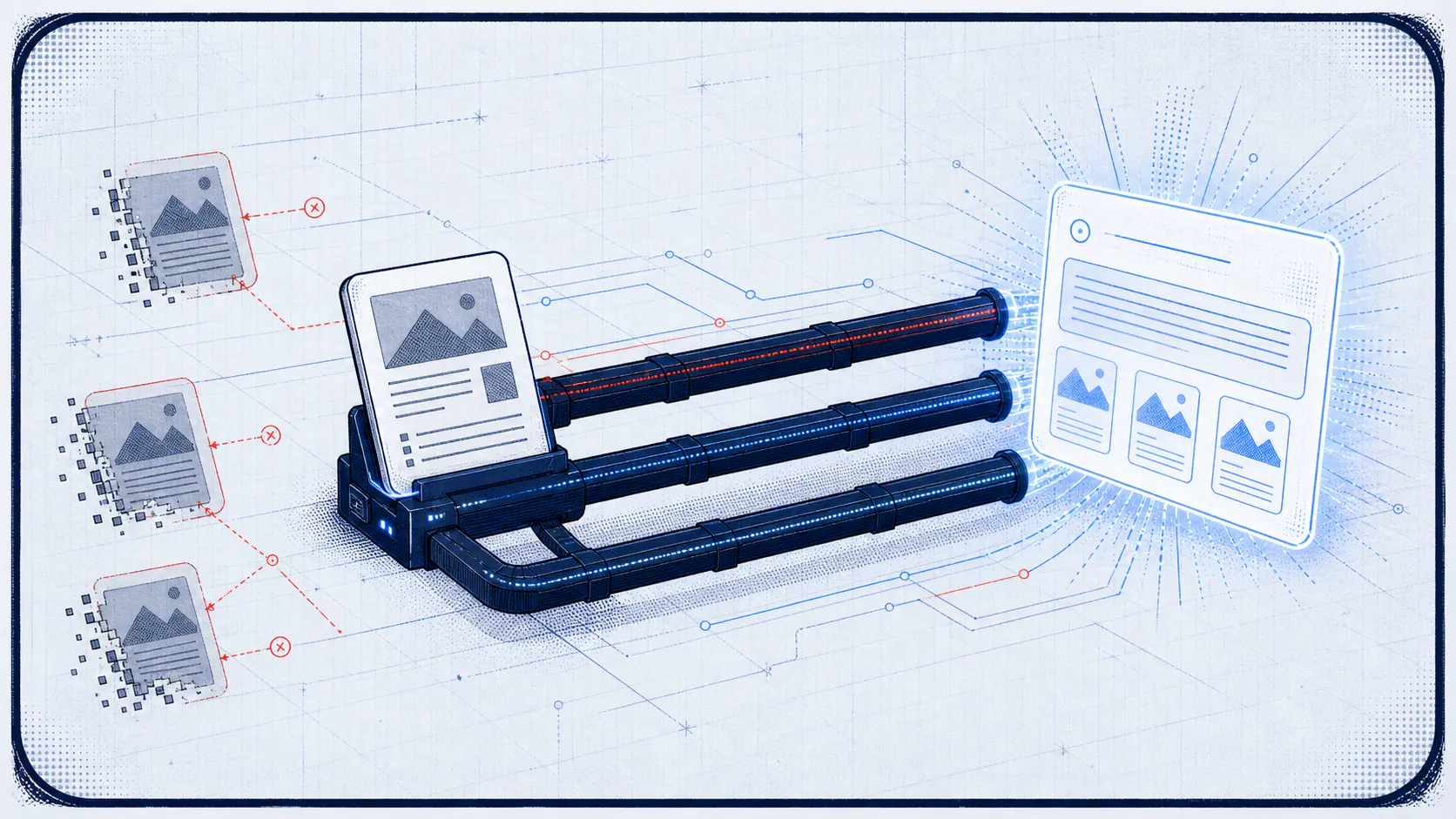
This is not theory. When researchers synthesized dozens of studies on what earns AI citations, the factor with the strongest evidence behind it was mundane to the point of being funny: whether a bot can access your URL at all. Before entity clarity, before original data, before any of the sophisticated GEO work, a machine has to be able to fetch the page. A surprising number of sites quietly disqualify themselves right there — content blocked, buried behind scripts a bot will not run, or too slow to fully load. No access, no citation, full stop.
The three pillars still holding everything up
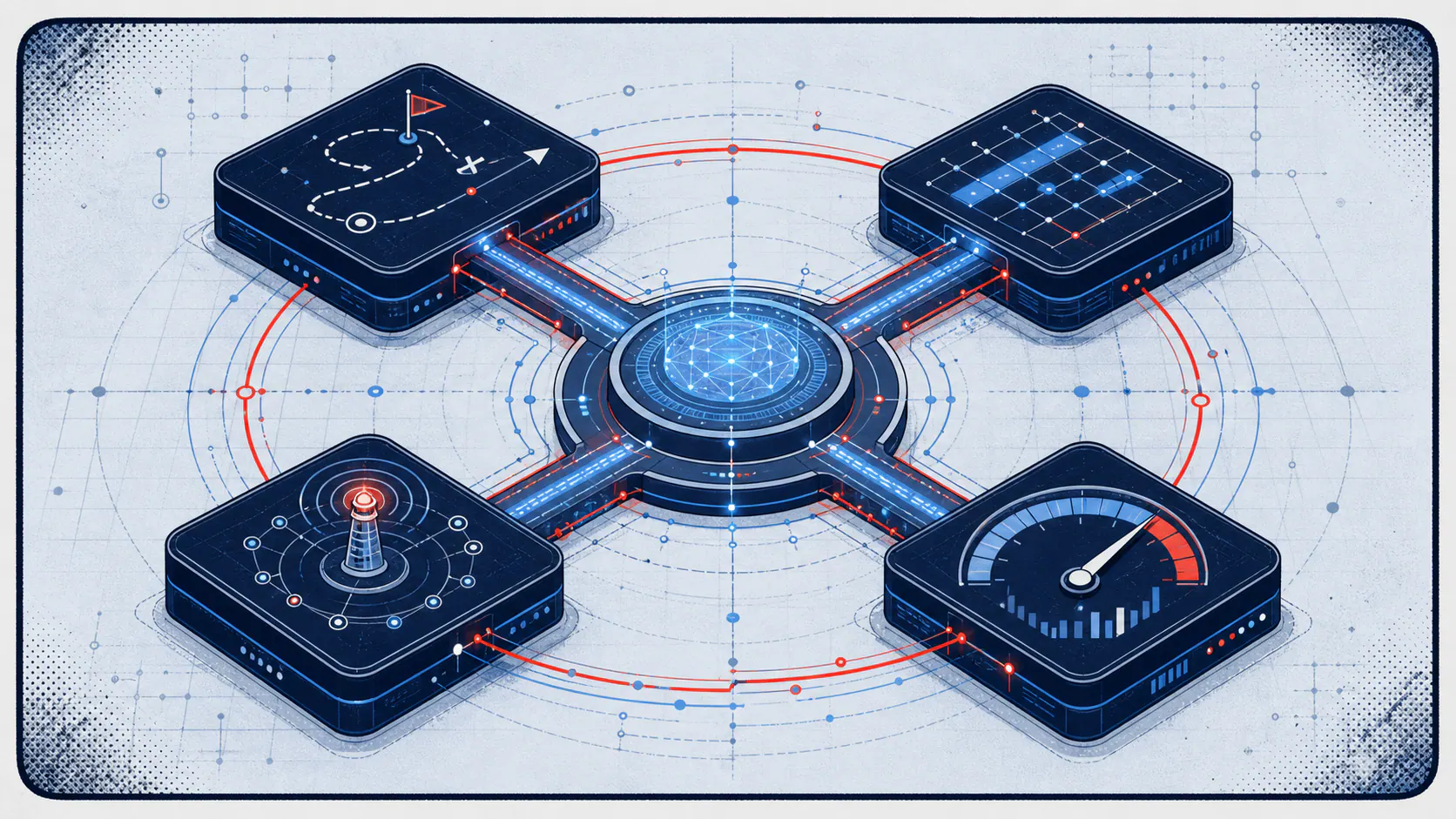
The foundation has not changed much; its importance has. Three pillars carry the load, with structured data as the connective layer.
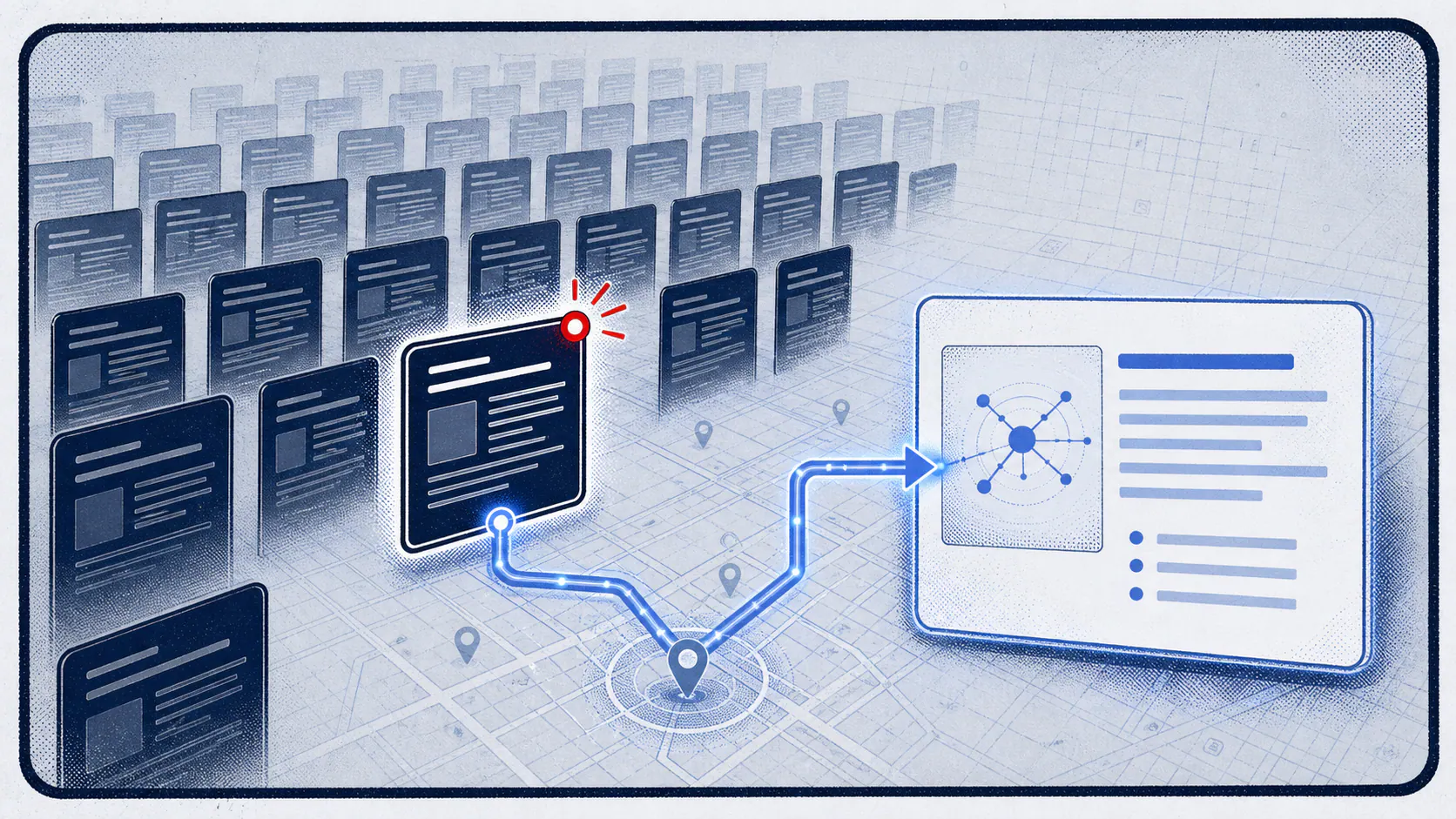
Crawlability comes first — bots have to be able to reach and render your content, which is a bigger trap than most teams realize. Clean architecture comes next — a sensible hierarchy, coherent URL structure, and deliberate internal linking so engines can understand how your content relates. Core Web Vitals and performance round it out — fast, stable pages remain both a ranking factor and a user-experience one. And running through all three is structured data, the schema layer that hands machines an explicit, labeled version of what your content means instead of making them infer it.
“AI did not make technical SEO optional. It made it the price of admission to a room that used to let anyone in.”
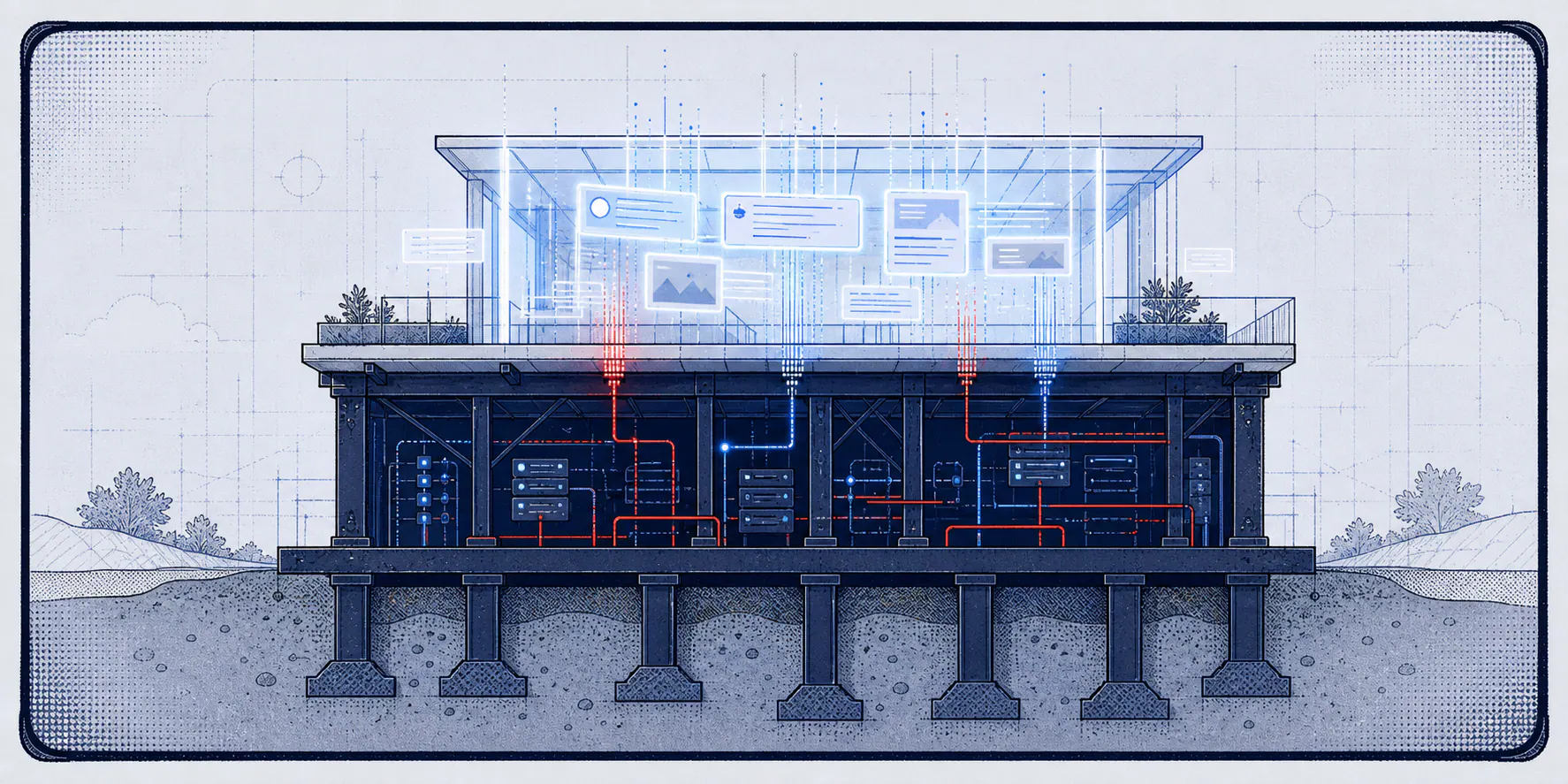
How the foundation feeds GEO and AEO
Here is the part that should reframe the whole old-vs-new debate: the technical foundation is not separate from your AI-search work — it is underneath it. The entity clarity that Generative Engine Optimization depends on is delivered through schema markup. The extractable answer blocks that Answer Engine Optimization is built around require clean, semantic HTML. Being cited at all requires crawlability.
Pull the foundation out and the AI work collapses, because there is nothing holding it up. That is why I tell leaders their technical investment did not become obsolete — it became load-bearing.
Our AI Visibility Report shows exactly which pages are indexed and your site’s exact authority metrics.
Why S.T.A.R.SM starts with the T
This ordering is baked into how we work. Our S.T.A.R.SM framework runs Strategic planning, then Technical SEO, then Authority building, then Results measurement — and the sequence is deliberate. Technical comes early because everything downstream assumes it is already solid. You cannot build authority signals or measure citation lift on a site the machines cannot reliably read in the first place.
So if you have been treating technical SEO as finished work you can coast on, the AI era is your cue to revisit it — not retire it.
Where to start
Resist the urge to chase AI shininess while the foundation cracks underneath you. Start by pressure-testing the basics: can bots reach and render every important page, is your architecture coherent, are your Core Web Vitals healthy, and is your structured data actually in place? Fix what is broken there first, through Technical SEO, then build your GEO and AEO work on top of a foundation that can carry it.
Get the order right, and every dollar you spend on AI visibility lands on solid ground instead of sand.
Frequently asked questions
Is technical SEO still worth investing in now that AI search is here?
More than ever. It is the prerequisite for being crawled, understood, cited, answered, and ranked — an engine cannot do anything with a page it cannot reach or parse. The AI era raised the stakes on the fundamentals rather than retiring them.
Does AI search change what technical SEO means?
It shifts the emphasis toward machine-readability. Structured data and clean, crawlable, semantic HTML matter more than ever because AI systems lean on them heavily to understand and extract your content. The core disciplines are the same; the payoff for doing them well is bigger.
If my budget is limited, should I fix the foundation or invest in GEO first?
Foundation first. GEO and AEO simply cannot function on a site the machines struggle to reach and parse, so money spent on advanced AI visibility is wasted until the technical base is sound.
What is the single biggest technical mistake hurting AI visibility?
Content a bot cannot access — blocked resources, content hidden behind scripts that crawlers will not run, or pages too slow to fully load. If the engine cannot fetch and render the page, it never enters the running, no matter how good the content is.
Andrew Ruditser writes about technical SEO, AI crawl readiness, structured data, web architecture, and digital strategy for MAXPlaces Marketing.