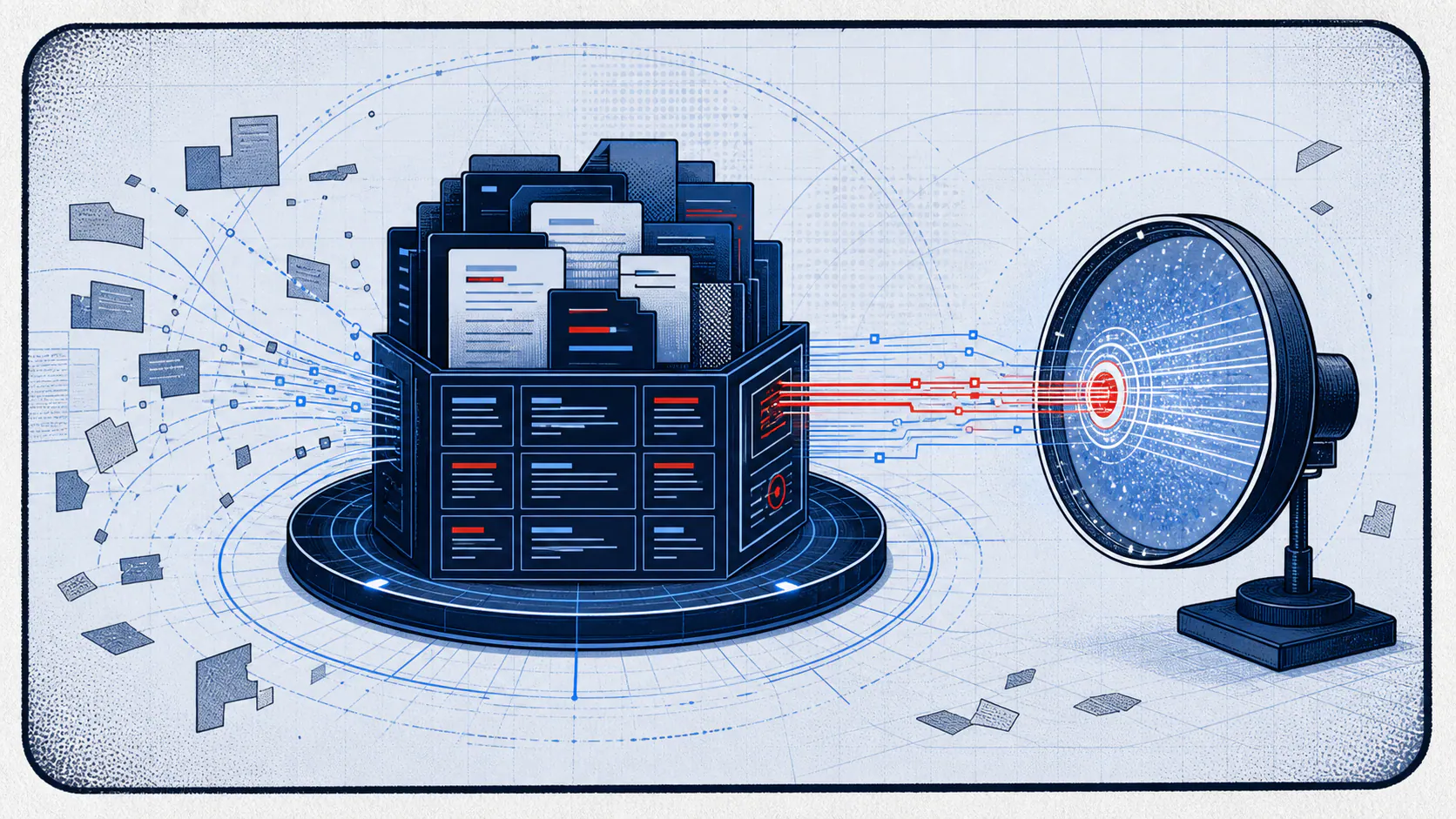
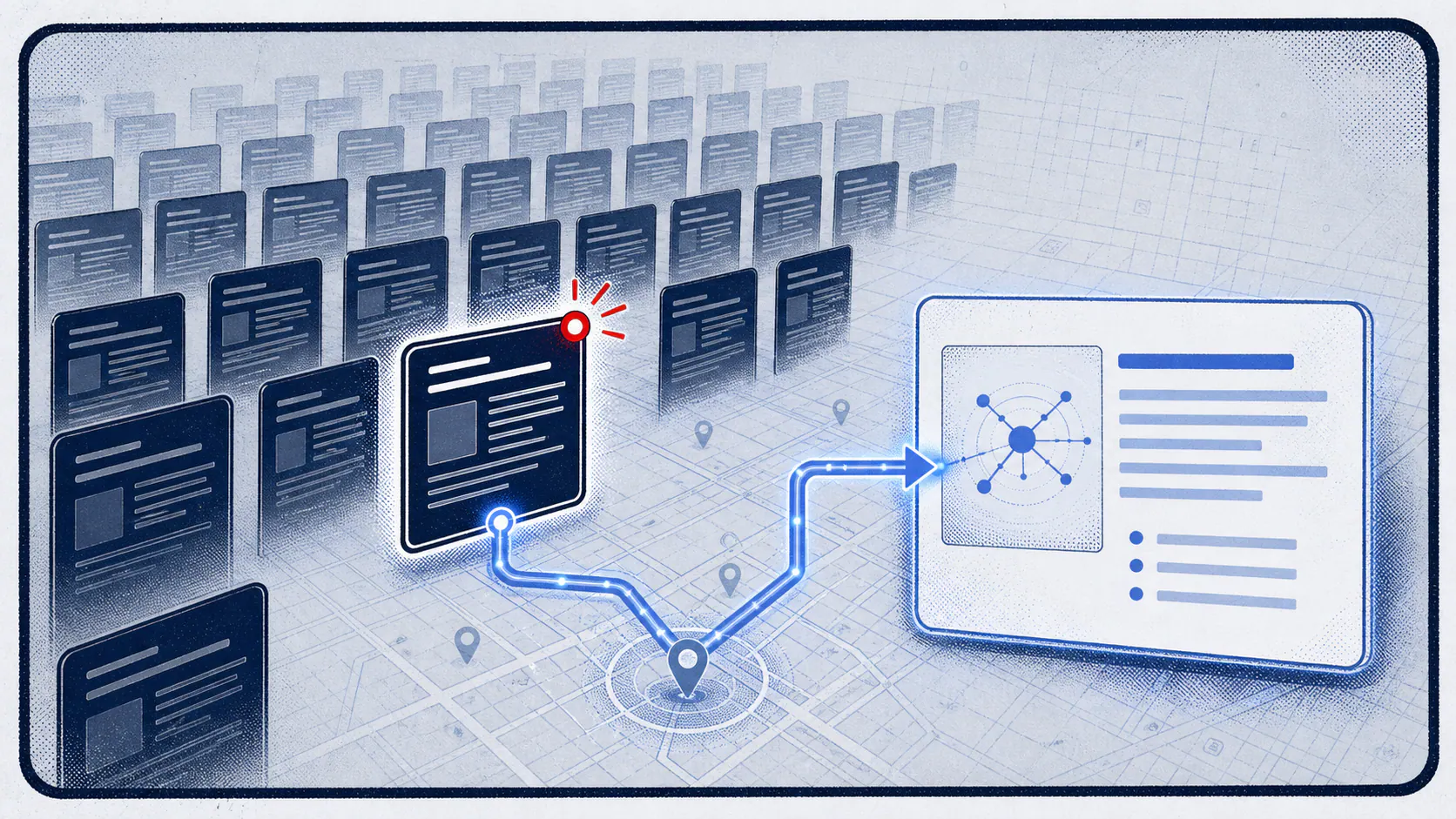
Google I/O 2026: What the New AI Mode Search Box Means for Your Traffic
Google made AI Mode the global default Search experience. Here’s what the new search box means for organic traffic, clicks, and citation visibility.
Then I read past the keynote gloss, and — annoyingly — this one is real. Google made AI Mode the default search experience for everyone, worldwide, and rebuilt the search box for the first time in more than 25 years. For the executives I talk to, though, the interesting question was never which features shipped. It’s what this does to the traffic your business actually runs on. Let me cut through the hype and get to that.
What Google actually announced (the parts that touch your traffic)
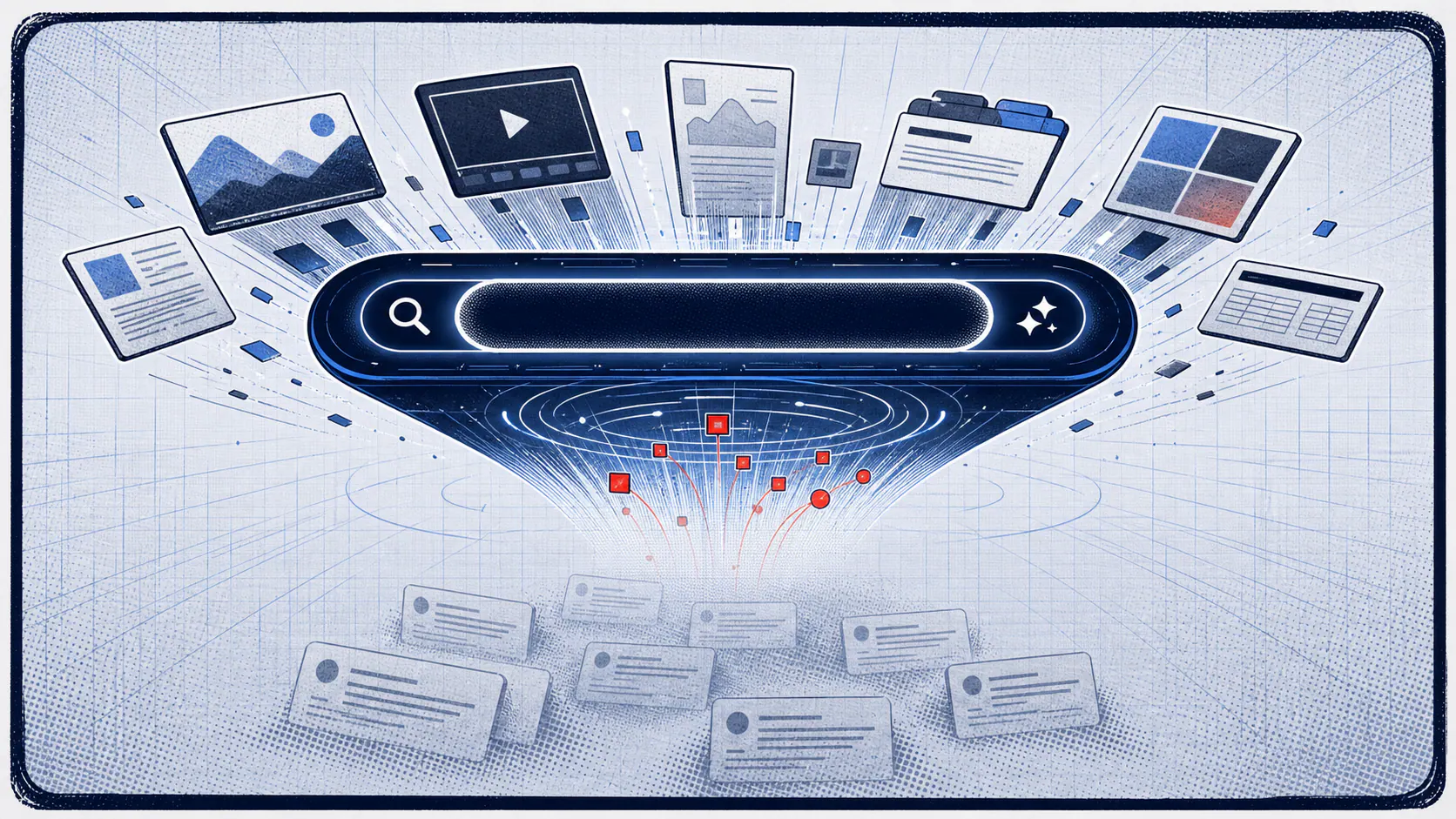
Strip away the shopping demos and the video-generation fireworks, and a handful of changes matter for how buyers find and evaluate you. AI Mode is now the global default, so the synthesized answer — not the list of ten blue links — is the first thing most people see. The search box itself was reimagined: it expands as you type, takes multimodal input, and suggests ways to sharpen your question that go well beyond autocomplete.
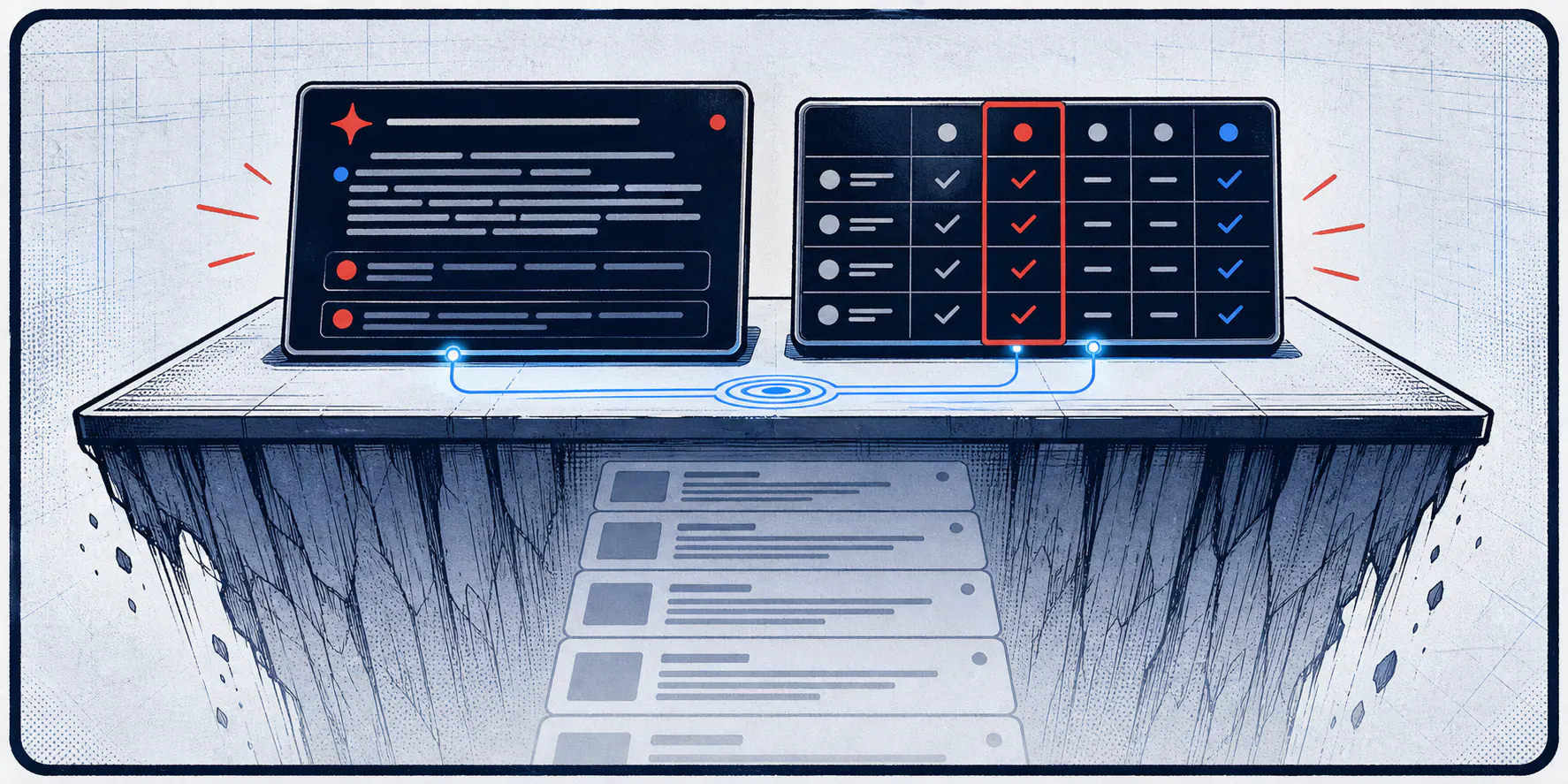
Just as important, the experience is now continuous. A searcher can start with a quick query, land on an AI Overview, and roll straight into a back-and-forth with AI Mode without ever leaving the results. Google also confirmed background “information agents” that monitor topics 24/7 and in-result generative interfaces that build comparison tables and mini-apps on the fly. Each of those keeps the user inside Google a little longer — and sends them to your site a little less.
Why this is different from every other “search is dead” headline
Two things make this one worth your attention when so many weren’t. The first is scale. A billion monthly users with query volume doubling every quarter isn’t an experiment you can wait out — it’s already the main surface. The second is structural: when the box changes, the queries change. People type longer, messier, more conversational prompts, and drop in images and files. The tidy short-tail keyword your page was optimized for is aimed at a kind of search that’s quietly fading.
That combination is why I stopped reaching for the salt. This isn’t a new feature bolted onto the old model. It’s a different model of how discovery happens.
“Ranking number one used to mean you’d be seen. In AI Mode, it just means you’re eligible to be summarized — and the summary may never say your name.”
The real traffic implication: from clicks to citations
Here’s the part that should be on your radar. As the whole research-and-evaluate journey moves inside AI Mode, zero-click behavior stops being a trend and becomes the default. A buyer can ask their question, get a synthesized answer, ask three follow-ups, and see a generated comparison table — all without visiting a single vendor site. If your brand isn’t in that answer, you’re invisible, even if you technically rank first for the query underneath it.
Practically, this shows up in your analytics as impressions holding steady, or even rising, while clicks quietly fall. That’s not a tracking bug — it’s the new shape of visibility. The commercial goal shifts from “earn the click” to “be the brand the answer names,” and that is precisely the work of Generative Engine Optimization: being cited, not just ranked.
Our AI Visibility Report shows exactly which pages are indexed and your site’s exact authority metrics.
What actually gets you into the answer
The reassuring news is that the levers haven’t changed as much as the surface has. Getting named in an AI Mode answer comes down to the same disciplines: clear entity signals so machines know who you are, self-contained answer blocks they can lift cleanly, and specific, verifiable claims over vague marketing language.
The generative interfaces raise the stakes on one point in particular — structured, machine-readable data. When Google builds a comparison table inside the results, it pulls from content it can actually parse. Bury your specs in paragraphs of prose and the interface can’t extract them; present the same facts in clean structured form and you’re the one who gets cited:
{
  "@context": "https://schema.org",
  "@type": "Product",
  "name": "Model X Pump",
  "additionalProperty": [
    { "@type": "PropertyValue", "name": "Flow rate", "value": "120 GPM" },
    { "@type": "PropertyValue", "name": "Max pressure", "value": "150 PSI" },
    { "@type": "PropertyValue", "name": "Lead time", "value": "2 weeks" }
  ]
}
The kind of clean, structured spec a generative interface can lift straight into a comparison table. Bury those same numbers in a paragraph, and it reaches for a competitor who didn’t.
This is where Answer Engine Optimization and technical structure do the heavy lifting — making your best facts trivially easy for a machine to reuse.
What to do before summer’s over
Resist two temptations: don’t panic, and don’t rewrite your entire site this week. Google said the agent and generative-UI features roll out broadly through the summer, which gives you a genuine but narrow window to get ahead of the change rather than react to it.
Start by finding out where you actually stand — our AI Readiness Audit shows whether AI Mode is citing you today or routing around you, and which pages are the problem. From there, sequence the work with the S.T.A.R.SM framework: shore up the technical foundation, make your highest-intent pages citable, and measure presence instead of just clicks. Move now, and being cited early compounds — these systems tend to keep reaching for the sources they already trust.
Frequently asked questions
Does AI Mode going default mean SEO is dead?
No. Ranking is now eligibility — an engine can't cite a page it can't crawl and understand, so the technical foundation still matters. What's changed is that ranking is no longer the finish line; being named in the answer is. GEO sits on top of SEO, not in place of it.
Will my organic traffic drop now that AI Mode is the default?
Expect clicks to compress even as impressions hold or rise, because more journeys end inside Google. The fix isn't chasing the lost clicks — it's shifting how you measure success toward citation and presence, and making sure your brand is in the answers your buyers now see.
How quickly do I need to respond?
Google is rolling the agent and generative-UI features out broadly through summer 2026, so the window to get ahead of it is measured in weeks, not quarters. Establishing your citation footprint early tends to compound, since AI systems lean on the sources they already reference.
Is this only a Google problem?
No. The same dynamic is playing out across ChatGPT, Perplexity, and Gemini — the buyer researches inside an assistant and rarely clicks out. The discipline of being citable travels across all of them, which is why we treat it as one program rather than a Google-only fix.
Brian Winum writes about GEO, AEO, technical SEO, entity authority, and AI-search visibility for MAXPlaces Marketing.