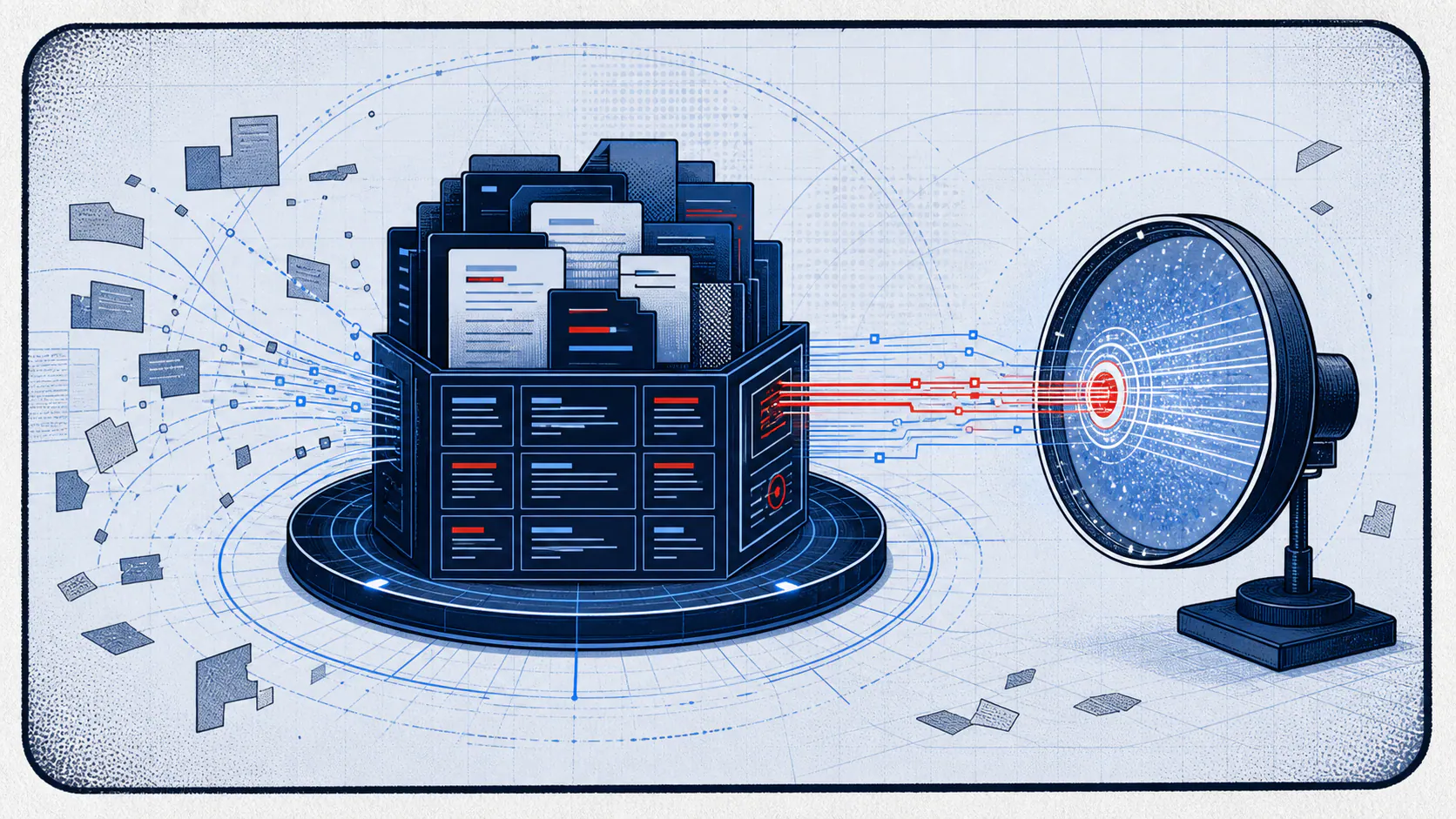
Generative Engine Optimization, Explained: How to Get Your Brand Cited by AI

A plain-English explanation of how GEO earns AI citations through entity clarity, original data, extractable structure, and authority signals.
That pause is the whole story. Being named — cited — inside an AI answer has become its own commercial outcome, separate from where you rank and, increasingly, more valuable. The good news is that citations aren’t luck or magic. They’re earned through a specific set of mechanics, and once you can see them, you can build for them. Let me walk through how brands actually get cited by AI.
What “getting cited” actually means — and why it’s a new outcome
A generative engine — ChatGPT, Perplexity, Gemini, Google’s AI Mode — doesn’t hand the user a list of links to evaluate. It synthesizes an answer and names a handful of sources it leaned on. Earning one of those mentions is a citation, and it’s a fundamentally different prize than a ranking.
Here’s why the distinction matters commercially. A ranking is a position on a page your buyer may never scroll to. A citation is your brand’s name inside the answer they’re actually reading. As more of the buying journey moves into AI-mediated search, the citation is the part that reaches the human — and ranking well while going uncited means doing all the work and getting none of the visibility. “Being named” has quietly become the outcome worth optimizing for.
Mechanic #1: Entity clarity — be something a machine can recognize
The first requirement is almost philosophical: the engine has to know who you are. AI systems reason about the world in terms of entities — distinct, recognizable things with attributes and relationships — not just strings of keywords. If your brand is a fuzzy, inconsistent presence across the web, you’re hard to cite with confidence, so you don’t get cited.
Entity clarity means being unambiguous and consistent everywhere a machine might look: a clear description of what you do, consistent naming and details across your site and third-party profiles, and structured signals that tie it all together. This is the entity foundation — and it’s why two brands with identical rankings can see wildly different citation rates. One is legible to the machine; the other is a guess.
Mechanic #2: Original data — give the engine something worth quoting
This is the mechanic teams most often skip, and it’s the one I’d argue matters most. Generative engines cite sources that offer something they can’t get anywhere else. If your page restates the same advice as a hundred others, there’s no reason to name you specifically. If it contains original research, proprietary data, a first-hand result, or a genuinely expert point of view, you become the source worth attributing.
Put bluntly: you can’t be quoted if you’ve never said anything worth quoting. The brands that get cited consistently are the ones publishing something distinctive — their own numbers, their own frameworks, their own hard-won experience — rather than a well-optimized summary of the consensus.
“Ranking earns you a position on a page. A citation earns you a mention in the answer — and in AI-mediated search, the mention is the only part your buyer sees.”
Mechanic #3: Structure for clean extraction
Even great, original content goes uncited if a machine can’t cleanly lift it. Generative engines pull passages, not whole pages, so the content has to be built in self-contained, extractable blocks: a clear question, a direct answer immediately beneath it, and supporting detail after. Lead with the payoff instead of burying it under paragraphs of throat-clearing.
The pattern looks like this — a question as a heading, then a concise answer that stands on its own:
<h2>How long does an AI Readiness Audit take?</h2>
<p>A standard AI Readiness Audit takes about two to three weeks -
one week to crawl and analyze, one to interpret the findings, and
a final session to walk your team through the score and priorities.</p>
A self-contained answer block. The question and its answer travel together, so an engine can lift the passage cleanly without needing the rest of the page for context.
This is where Answer Engine Optimization and GEO overlap — the extractable structure that wins an answer is the same structure that earns a citation.
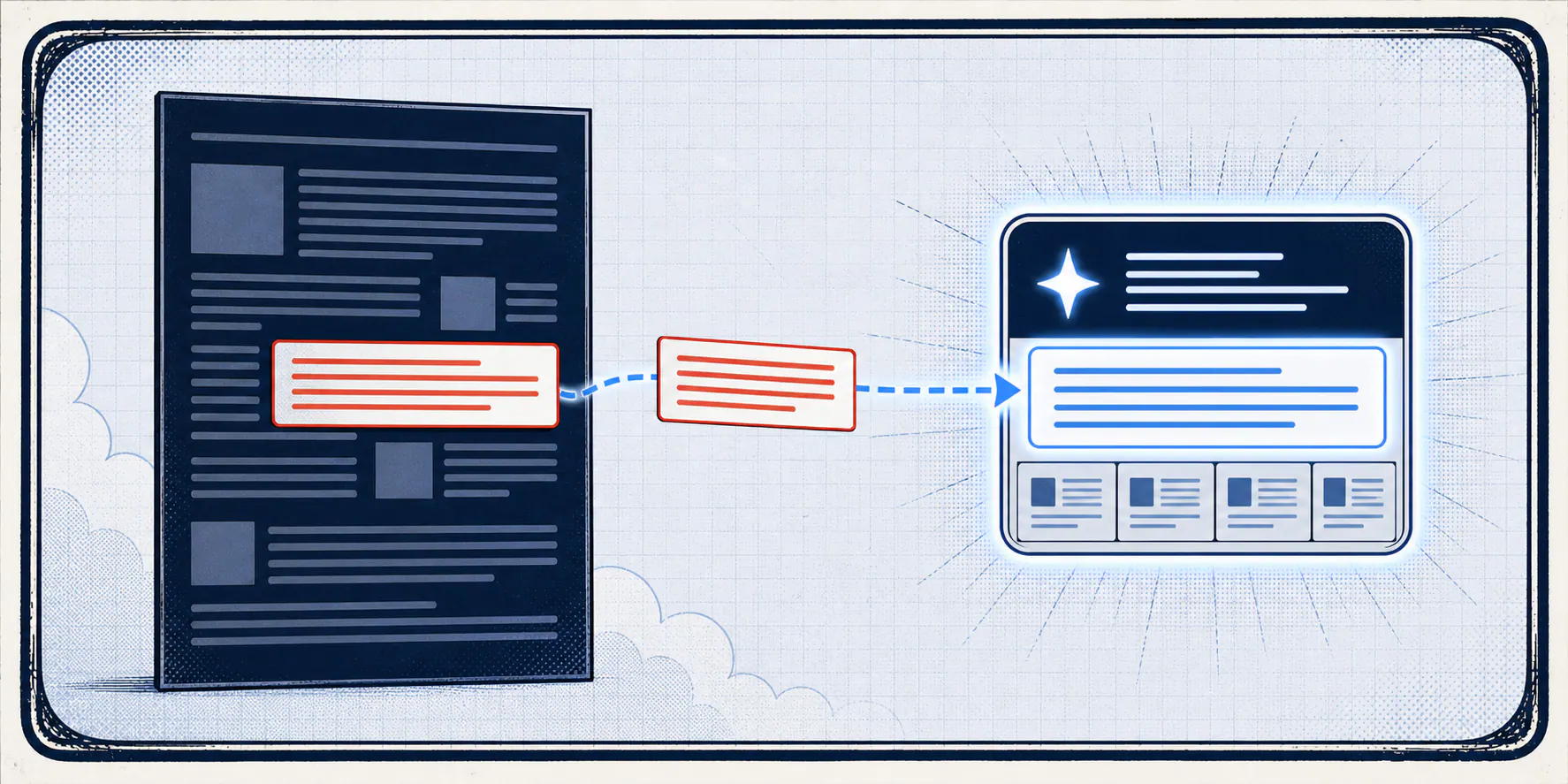
Our AI Visibility Report shows exactly which pages are indexed and your site’s exact authority metrics.
How we operationalize this: LLMS AmplifierTM
Doing all of this by hand, page by page, is where most teams stall. LLMS AmplifierTM is how we make it systematic — it structures your site’s knowledge into a clear, machine-legible layer that tells language models exactly who you are, what you’re known for, and which facts to trust, so they represent and cite your brand accurately instead of guessing or blending you with a competitor.
Think of it as translating everything above — entity clarity, your proprietary facts, and clean structure — into a form a model can read directly. It’s the delivery vehicle for the mechanics, and it’s the core of how our Generative Engine Optimization work turns “we should get cited more” into something operational.
Where to start
You don’t earn citations by chasing them one answer at a time; you earn them by building the underlying signals so they compound. Start with the foundation — entity clarity and a genuinely quotable body of content — then make it legible to the engines with LLMS AmplifierTM and measure your citation footprint over time. Sequence it with the S.T.A.R.SM framework so the strategy, structure, authority, and measurement all reinforce each other rather than pulling in different directions.
Get that right, and the next time a buyer asks an assistant about your category, the long pause turns into your name.
Frequently asked questions
How is GEO different from SEO?
SEO earns rankings; GEO earns citations inside AI answers. They share a technical foundation, but GEO adds entity clarity, original data, and extractable structure aimed at getting your brand named rather than just ranked. You need both — GEO sits on top of SEO, not in place of it.
Do I need original data to get cited, or is good writing enough?
Good writing helps you get lifted cleanly, but original data, proprietary insight, or first-hand expertise is what makes you worth citing in the first place. If your content only restates the consensus, engines have no reason to name you specifically over any other source.
What does LLMS AmplifierTM actually do?
It structures your site's knowledge into a machine-legible layer — who you are, what you're known for, and the facts to trust — so language models represent and cite your brand accurately instead of guessing or confusing you with a competitor.
How do I measure whether GEO is working?
By tracking citation presence and share — how often engines name you in answers across your key topics — rather than rankings alone. A readiness baseline tells you where you stand today so you can measure the lift as the signals compound.
Brian Winum writes about GEO, AEO, technical SEO, entity authority, and AI-search visibility for MAXPlaces Marketing.